A PICTURE BOOK MUSEUM
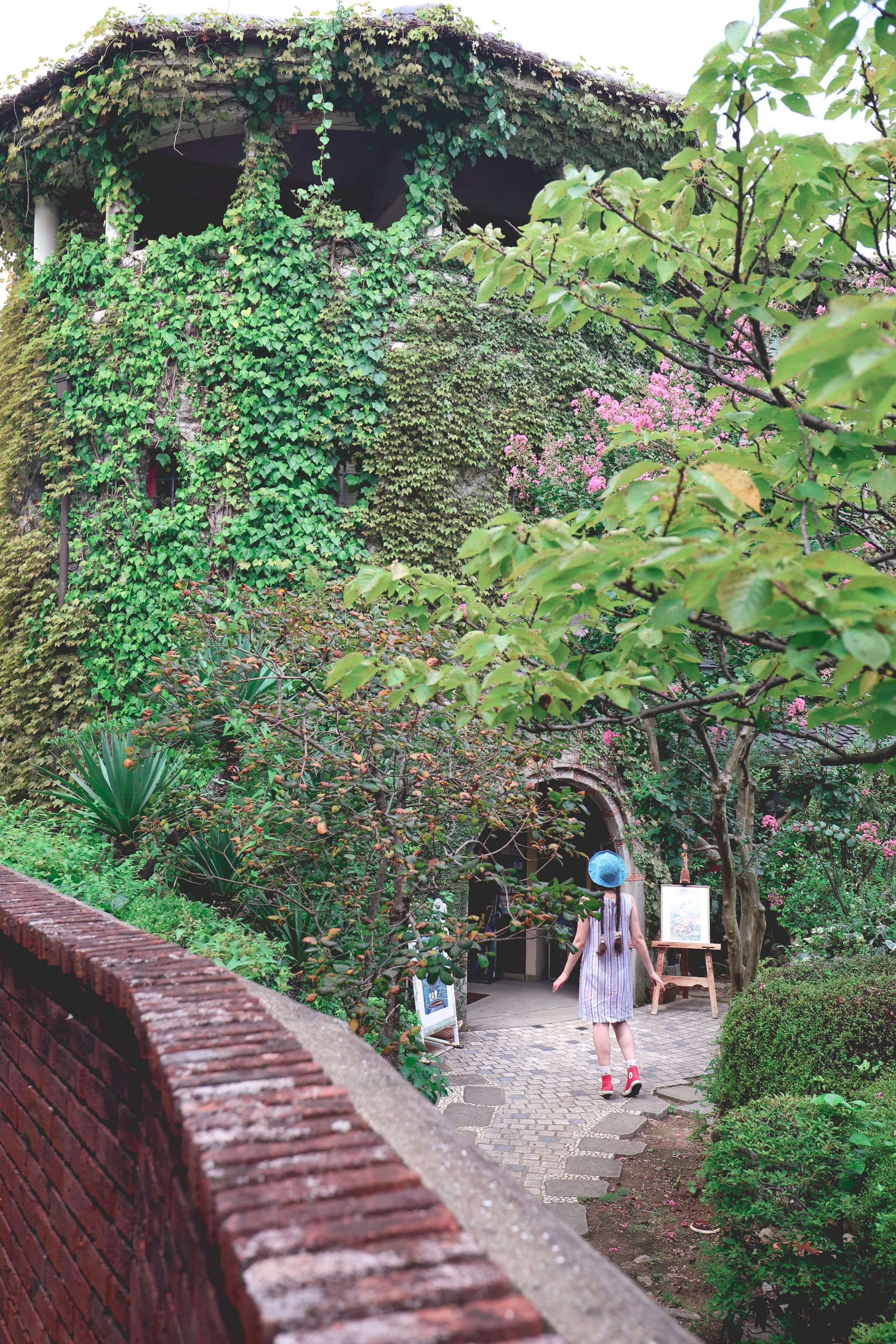
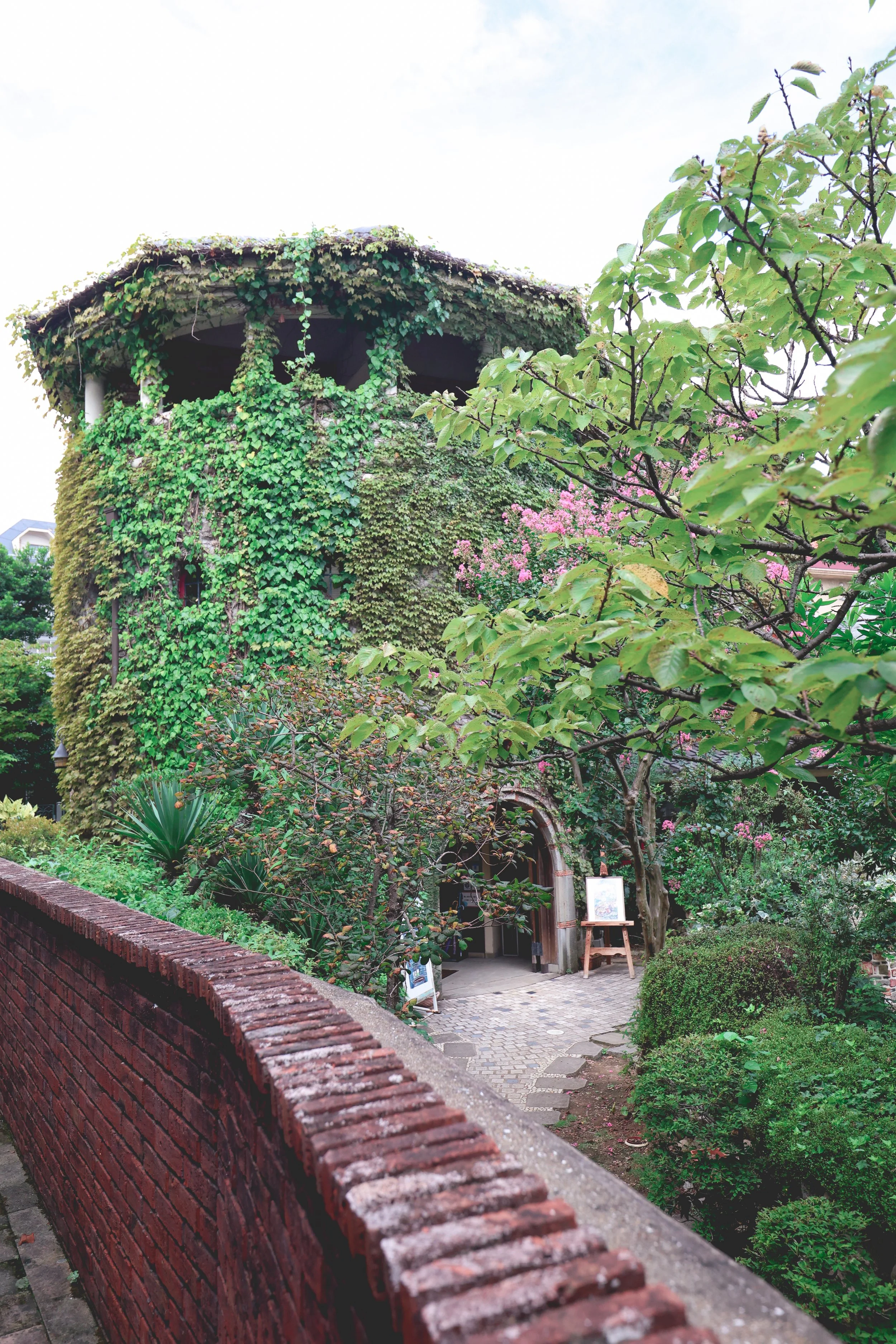
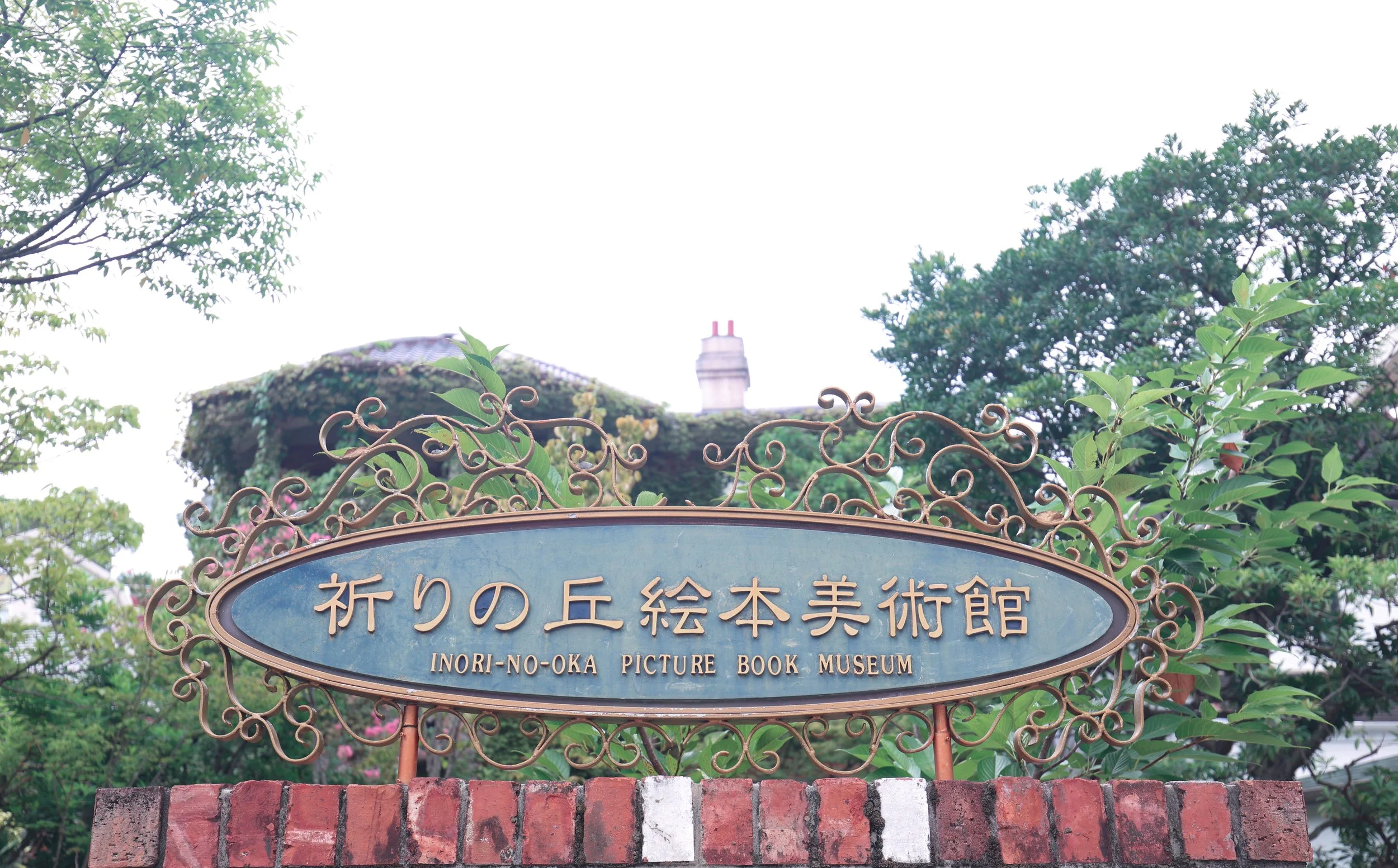
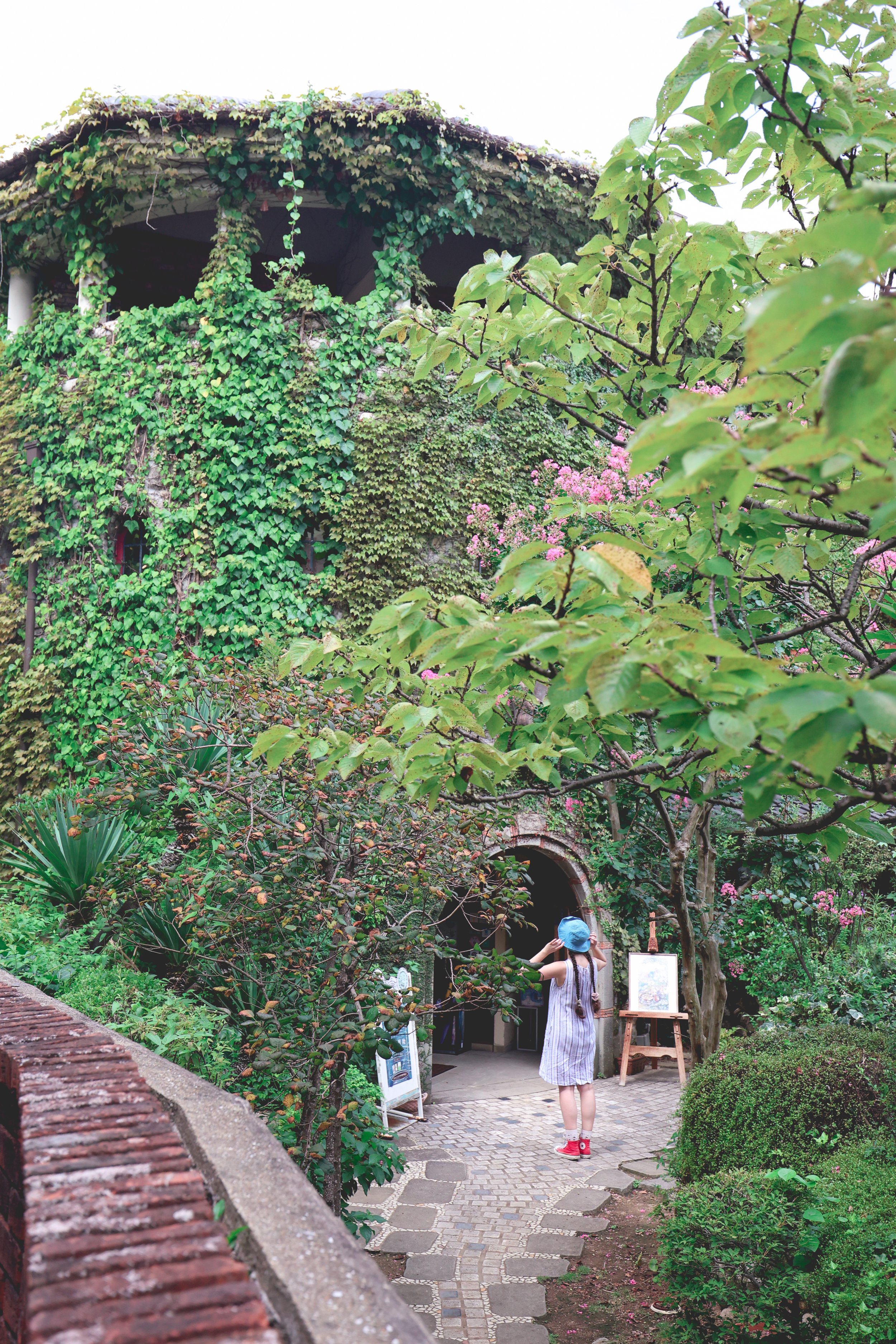
On a hill, near a church, in an old Japanese port town,
there stands a tiny castle of dreams.
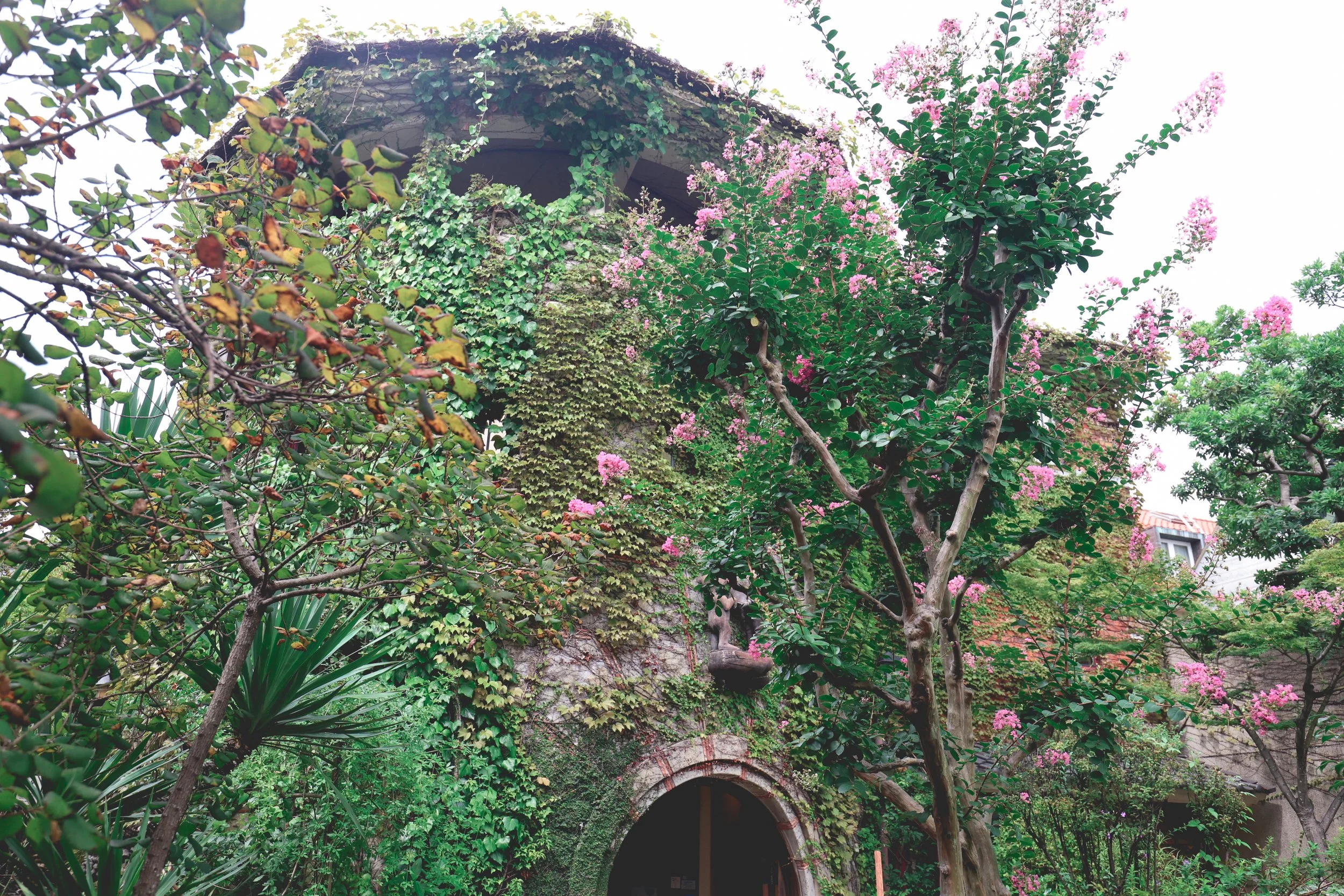
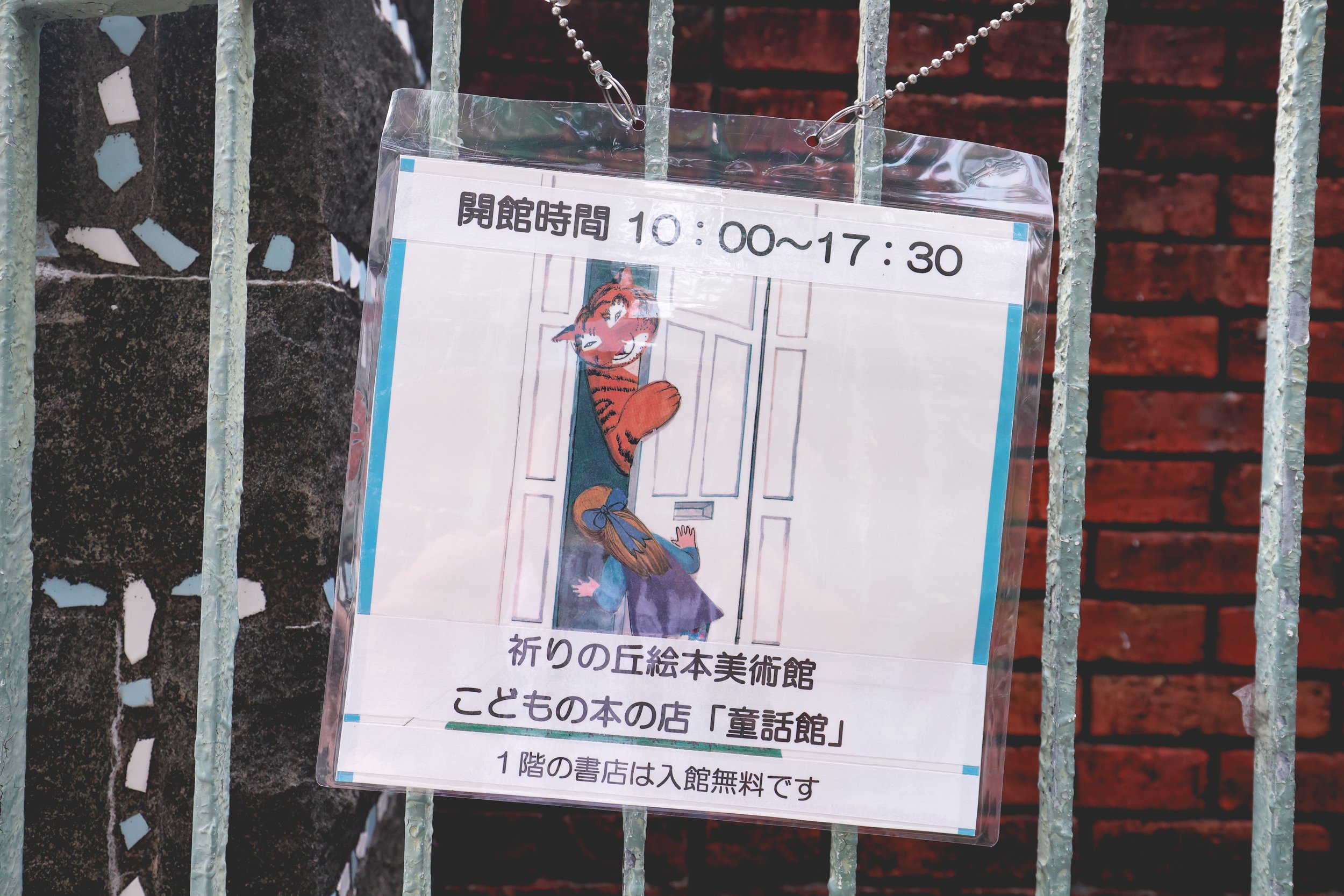
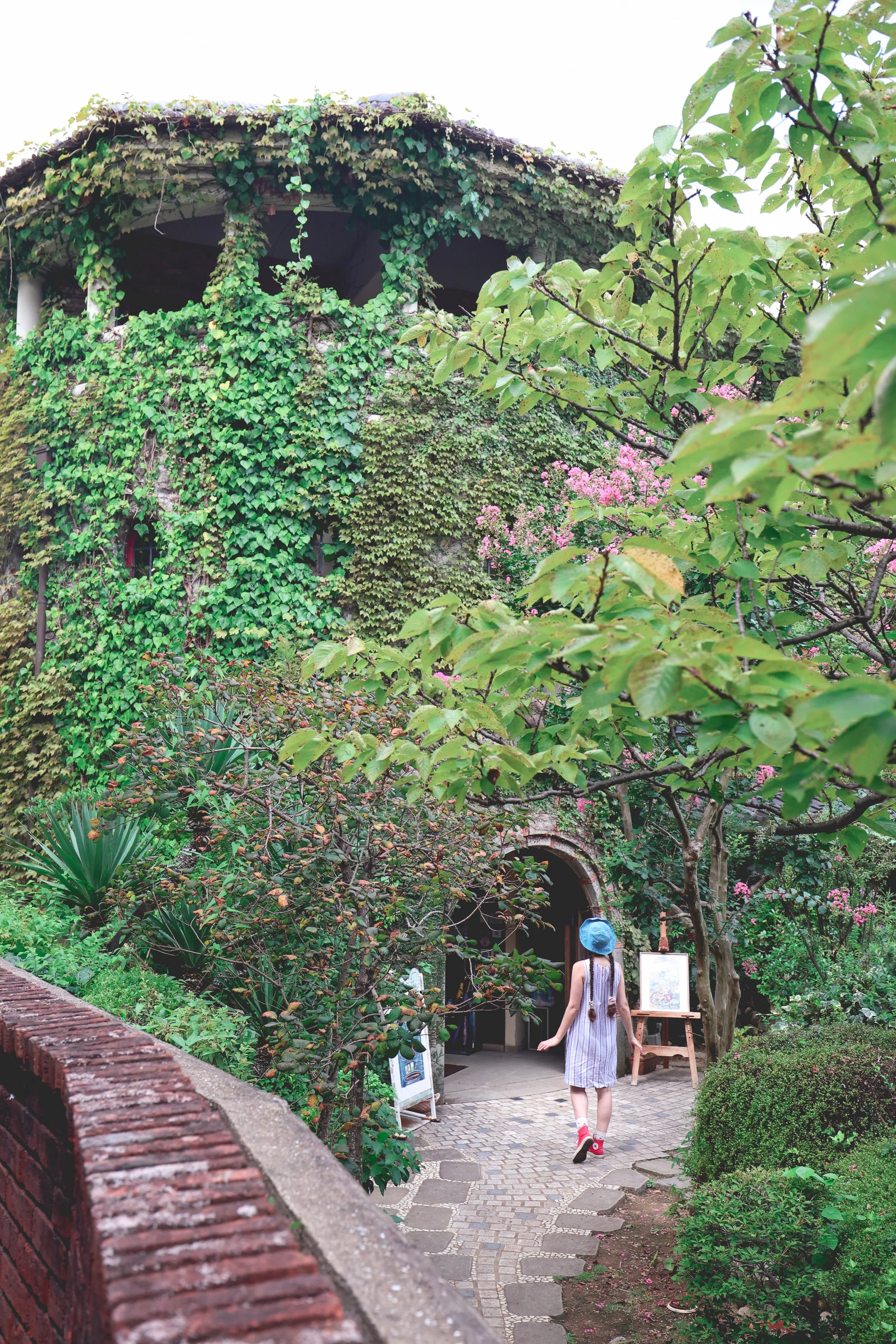
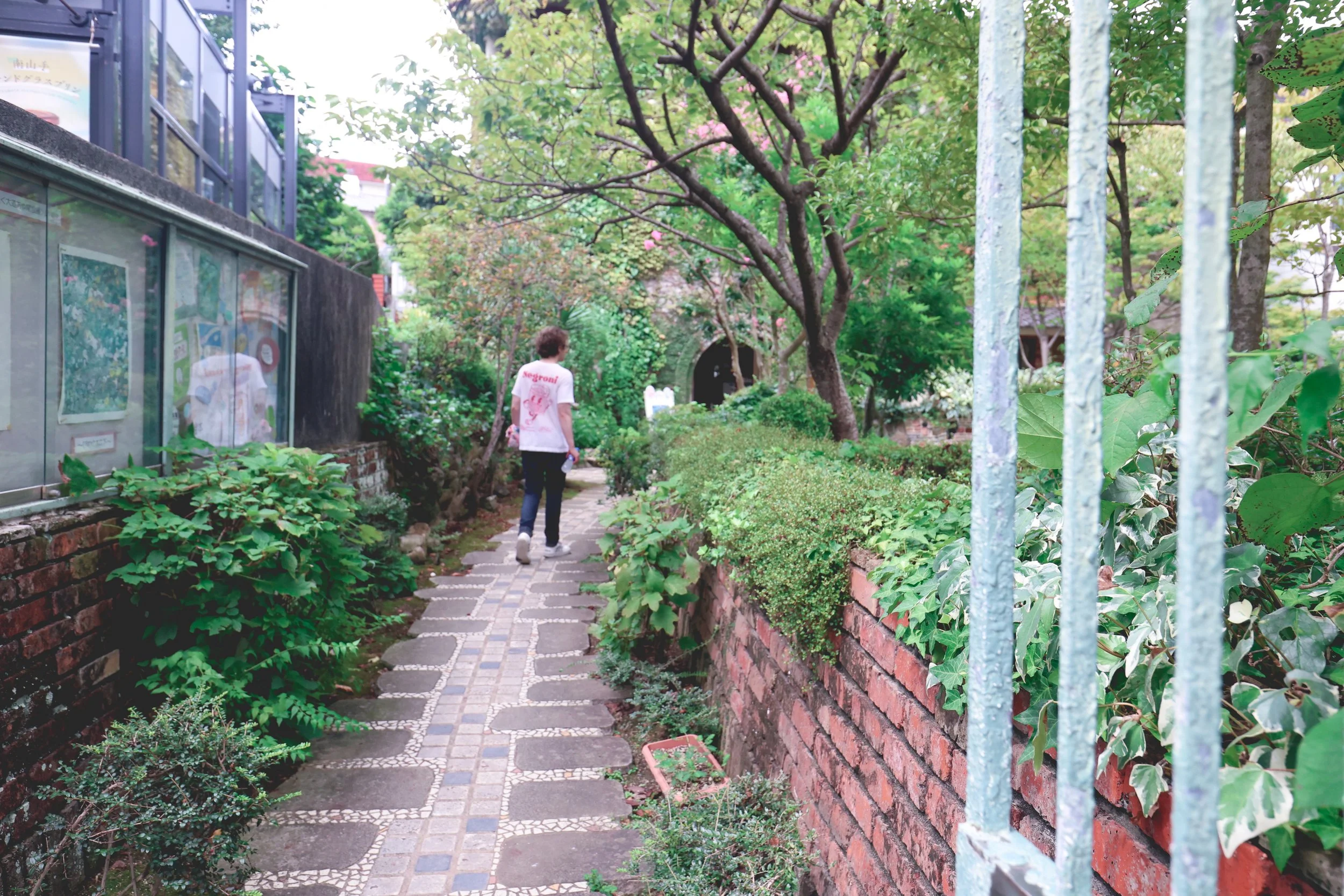
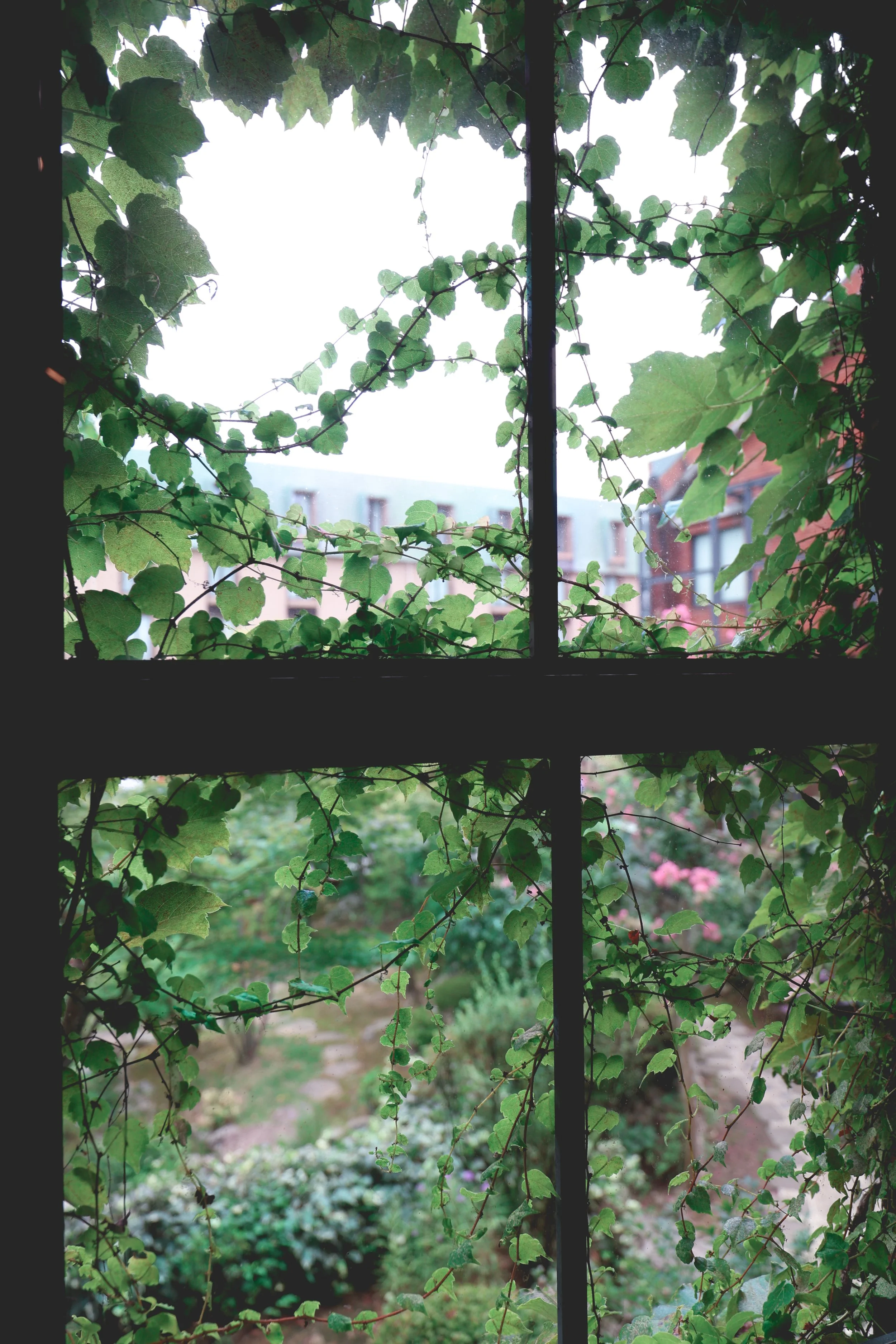
If one were to spy this little castle on a sunny day, through the greening bars of the cast iron fence, they might think that a great lady lives there, painting in the garden and plotting starry maps of the night sky from the tall tower. The tower, feathered and smothered in ivy, rises up from the small, riotous garden below. A path leads through the grounds and under an archway doorway, beckoning even the wariest wanderer.
And inside?
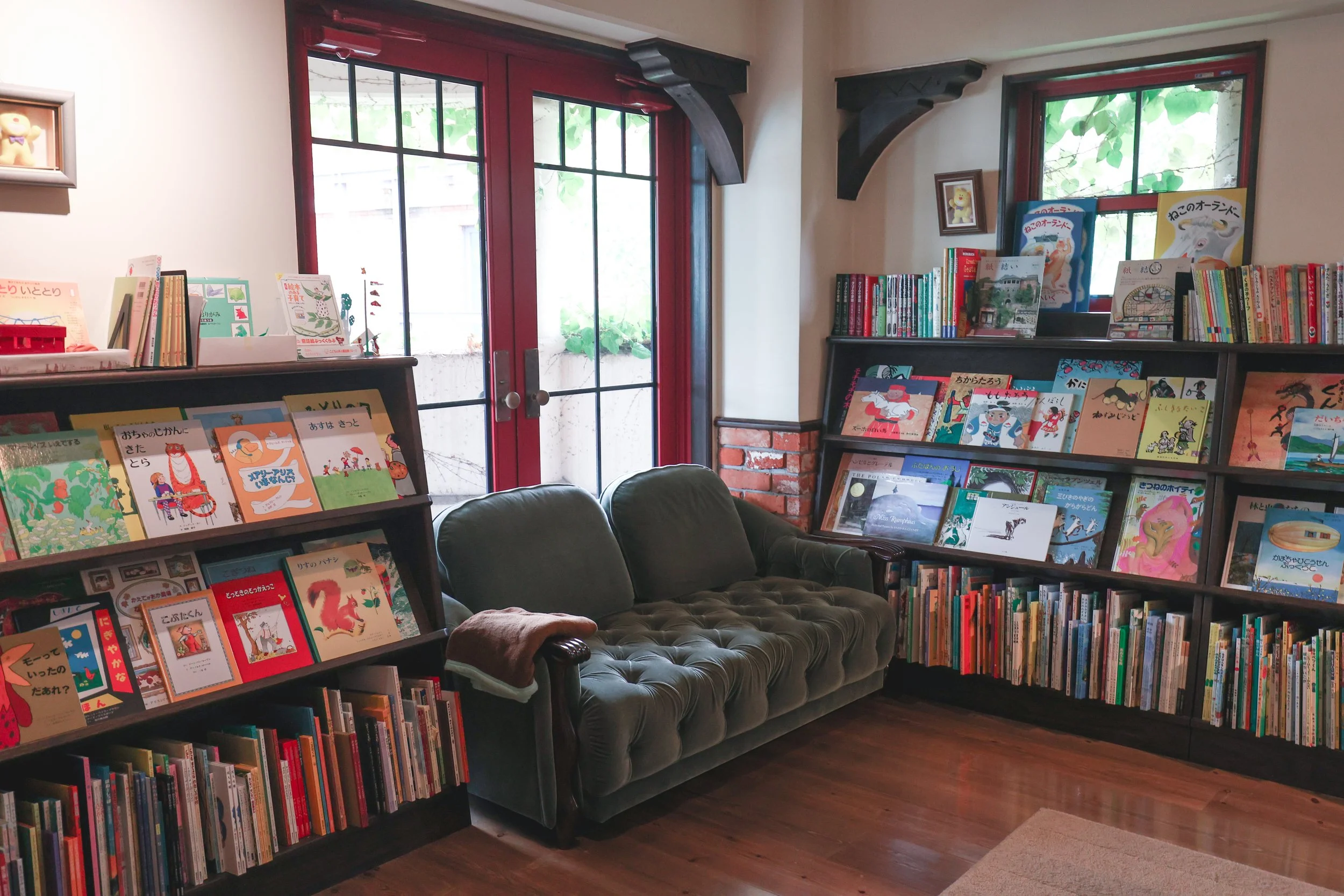
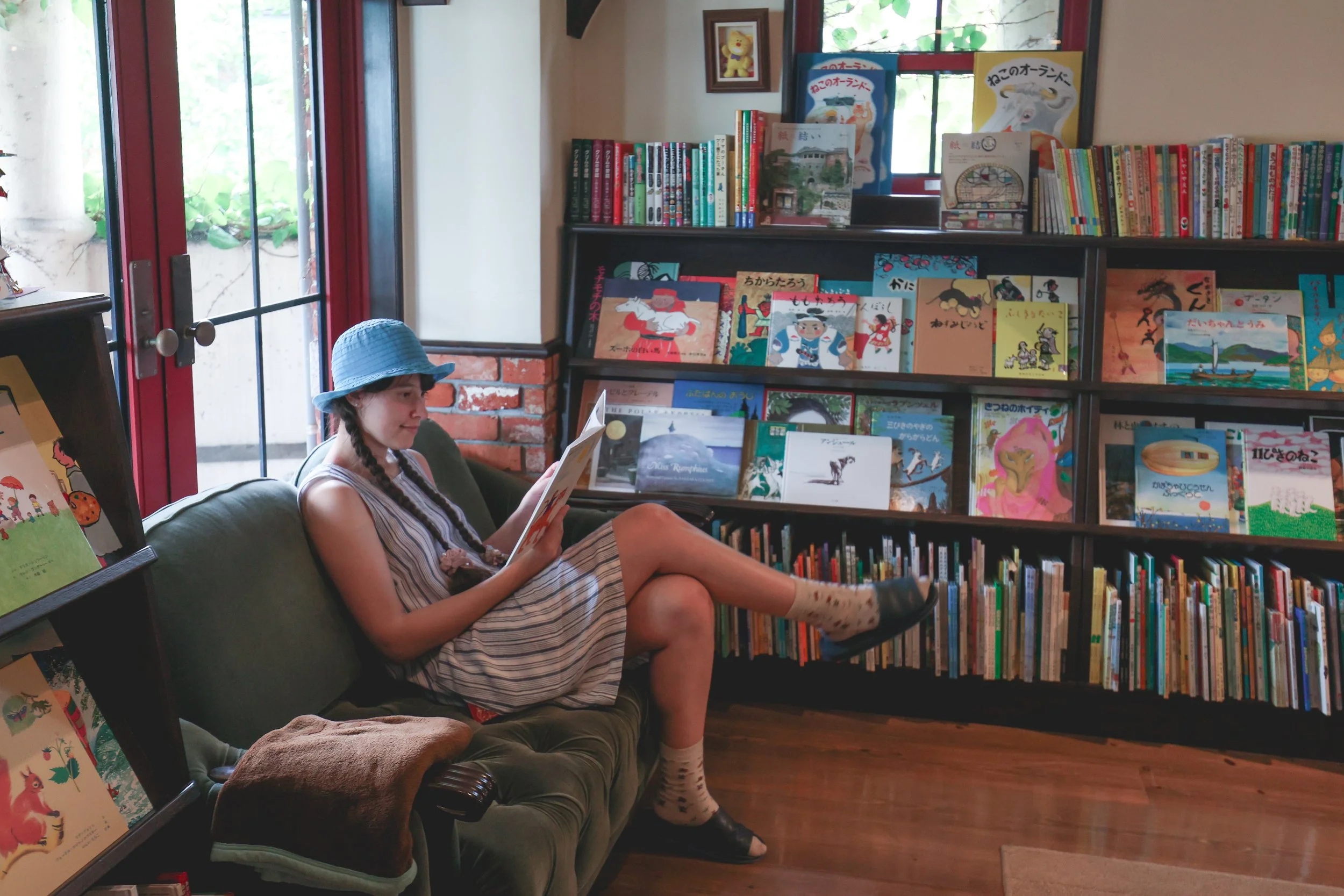
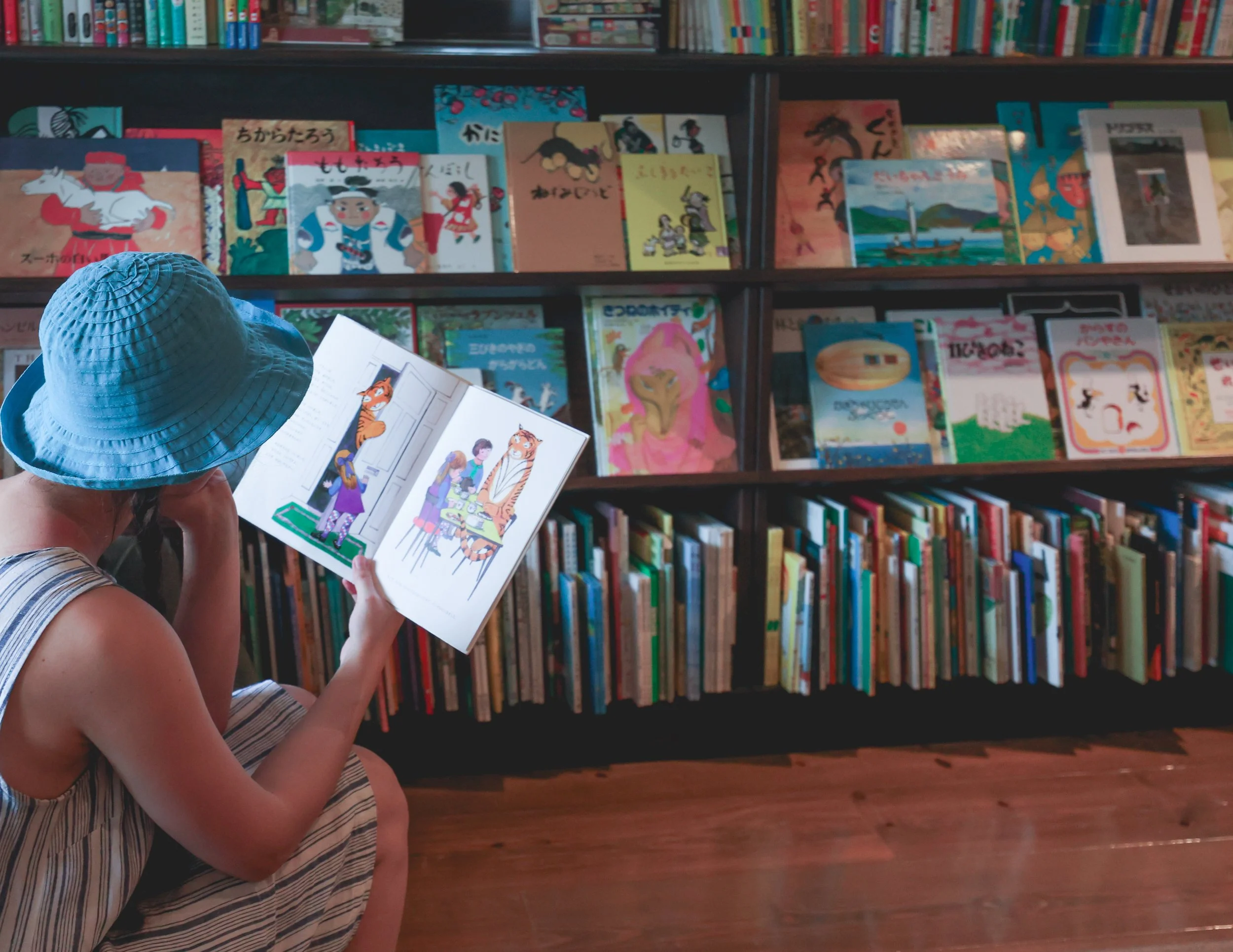
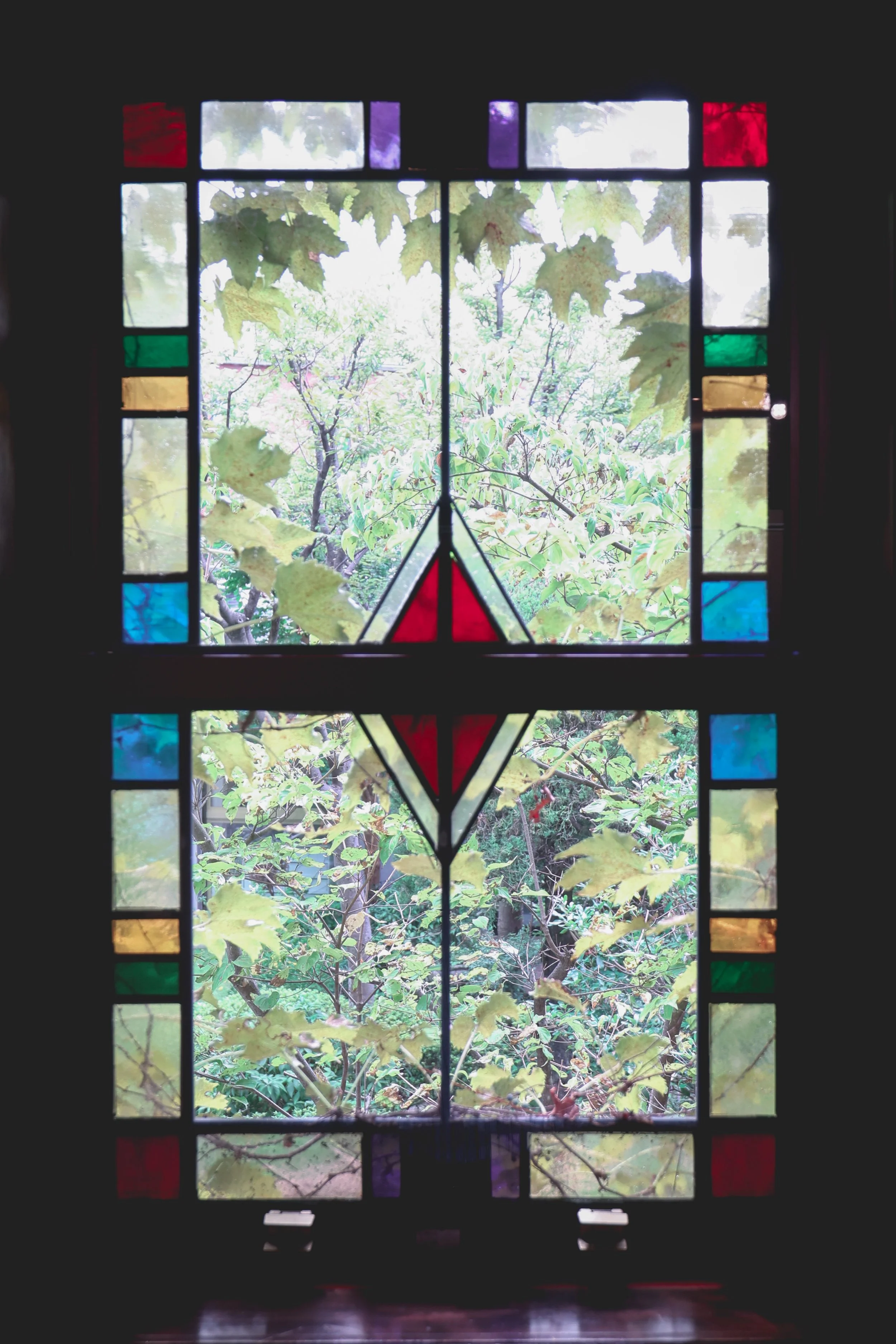
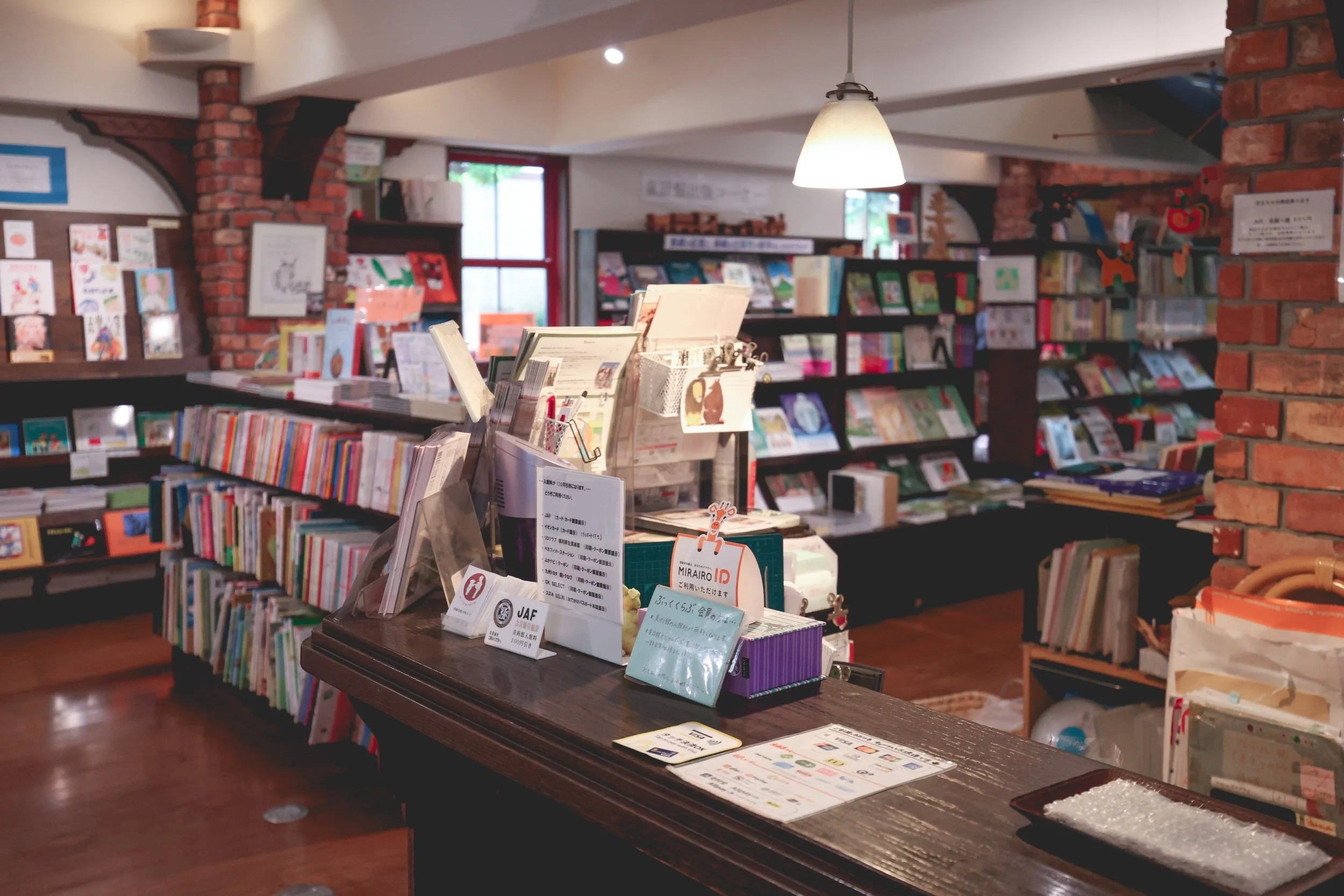
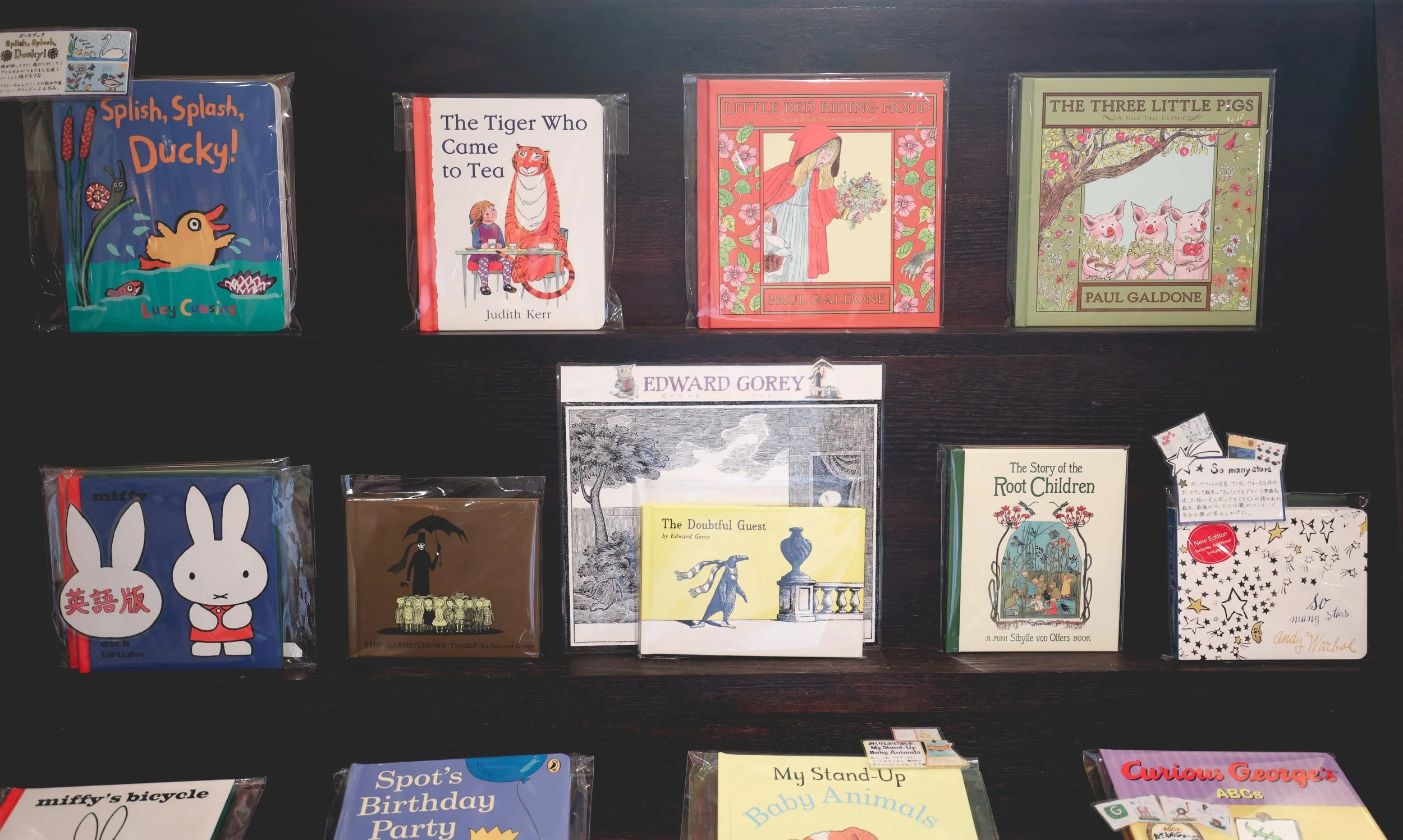
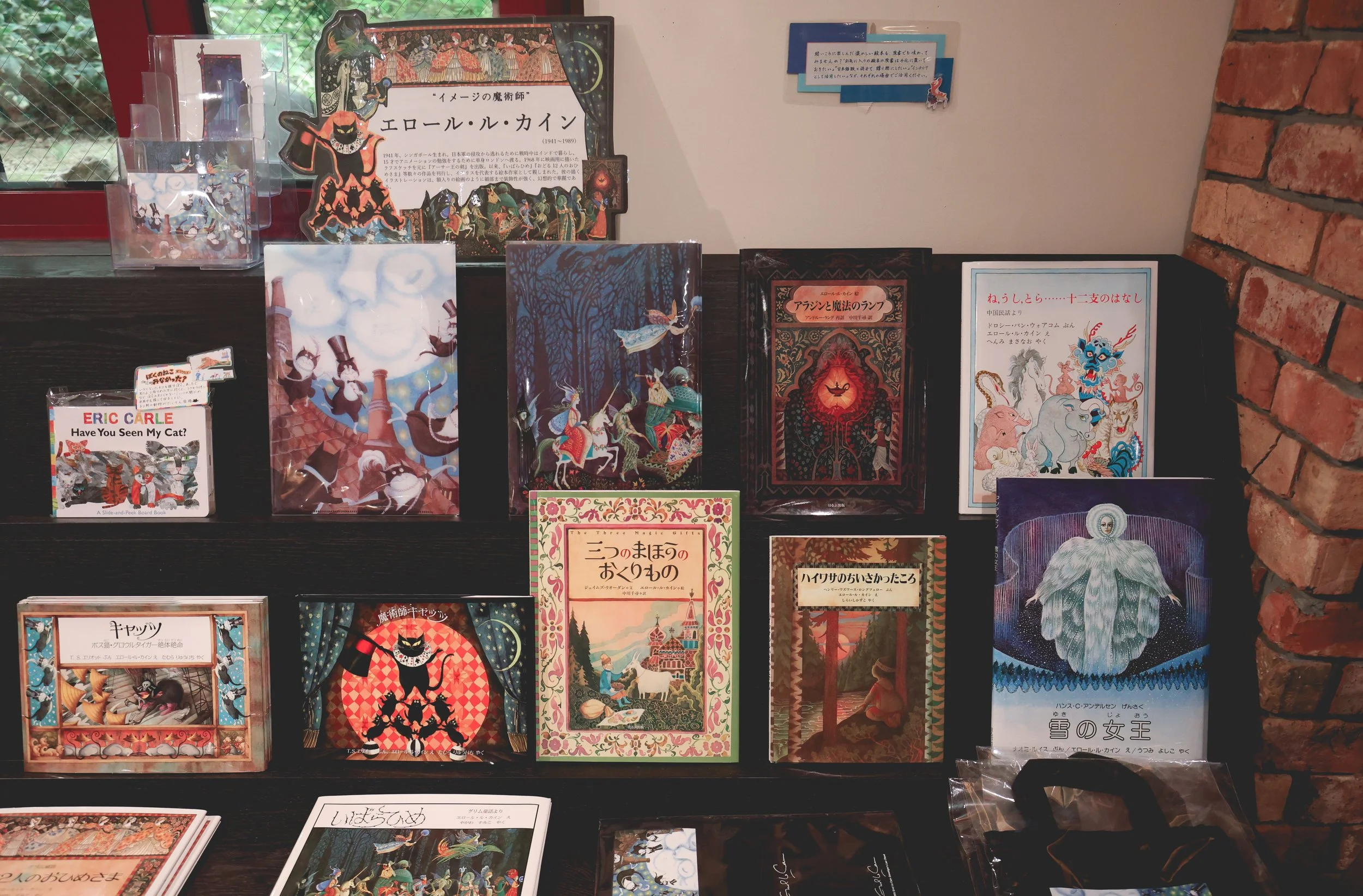
Inside the castle, a hoard of treasures gleams in stained glass light!
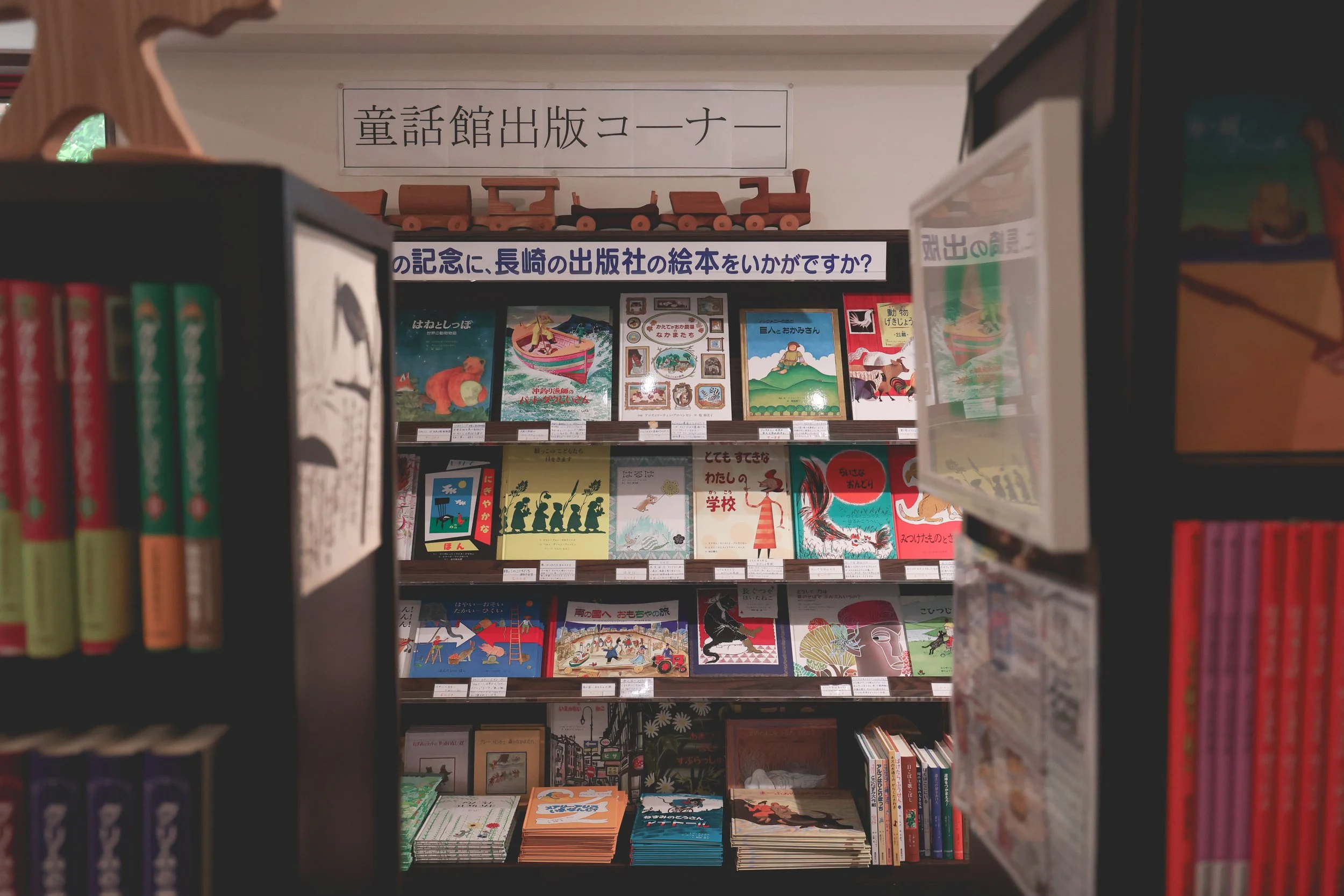
Ruddy rubies, emeralds, deep iridescent lapis blues, gold foils, gleaming ochre and sapphire and garnets like scattered mulberries, all lying row upon row, shelf upon shelf.
Picture books!
“Excellent picture books are both literature and art.”
~ Inori Hill Picture Book Museum
The picture books inside the castle must all pass three tests:
Pictures:
~ The artwork must be worthy of being gazed upon by children.Words:
~ The language must be refined and beautiful, in Japanese.Stories:
~ The story must truly resonate with the inner world of a child.
𓂃🪶
~ a story of stories ~
Somehow, at age 33-and-three-quarters, I have skipped past every career I ever thought I would have (mermaid, artist, fashion designer, history professor), to work in a wholly unexpected field. I have become a librarian.
Looking back, though, it all makes sense. As my mother tells it, my first word was “book.” Books, and the reading of them, have often felt like a hidden second layer to my life: the inner world I inhabit when I adventure through stories. These worlds feel so close, so real to me, that sometimes I feel I am living with one foot in this world and one in that! Most recently, I have been a happy on-and-off inhabitant of Middle Earth. But over the years, countless stories have drawn me into their worlds; like Alice into Wonderland, like the Pevensies peering through the wardrobe, like Bastian, wading his way through the swamps, I have lived amongst thousands of pages and printed letters.
And books with pictures? They have entranced me most ardently! I vividly remember particular illustrations from my childhood, as if they are etched upon my brain. The shadowy figure of Prince Caspian on a horse, riding across a well-worn paperback cover in my mother’s bookshelf. The rich pastel reds and purples of my first ever Harry Potter book, gifted by my great aunt, (author’s note: trans rights are human rights!). And perhaps the most beloved, most enchanting of all: a little-known picture fairytale called “The Country Bunny and the Little Gold Shoes.” This is a book filled with illustrations that have never left me: images of the tiny bunny entering a great hall of Easter eggs, each one a marvel; of the grand old bunny showing her an egg so beautiful, it swept my young mind up into daydreams; white, sparkling like diamonds, decorated with pink and green frosted flowers and ribbons; and as the little bunny peers through a small hole in the side of the egg, she sees a scene of people skating on a frozen lake. This is the stuff of dreams. Years later, as a teenager, I found a little pink and white egg pendant at a jeweller's store on a bridge in Florence, and all of these images came flooding back to me. Picture books have the power to both conjure other worlds, and eke their way our own world.
In my role as a librarian, I get to read picture books to children, and it is one of the greatest, most wonderful, joy-filled parts of my job! I pick out the books carefully, often asking the children what kind of stories they want me to read next time. The answers are always different: Unicorns! Animals! Dragons! Princesses! Trucks! Superheros! I search for the right books, with good stories, and beautiful pictures. Then, books under one arm, I set out on foot to visit the local kindergartens, to be greeted by warm calls of “Zoe! Zoe is here!” and to sit on small chairs, and read in funny voices, and share the joy of Storyland.
Adults, in their karstic way, growing weary and hardened around points of disappointment, may not remember the earnest openness and sincerity of judgement that a child brings to the stories they encounter. An adult might read the three tests above, and think: why should art, language and story be refined or complex, if they are only going to be witnessed by a child? We forget how it felt to be a child, listening to the story of the Little Match Girl, or the Little Mermaid, our hearts breaking, our empathy forming word by word. We forget the importance of story, in the moulding of our minds - stories allow us to see through other eyes, developing our understanding and empathy. We forget the breathy wonder of magic languages, and the power of illustrations that can transport us, if we only let them.
And still the world forgets more and more. Now, children, too, are losing the ability to see such stories. The newly minted digital age offers a shiny online world of ‘stories’ that flash past in a dizzying whirl - tales punched out by machines, all meaning and purpose lost in a sea of numbers; and at the helm, a societal Ahab, searching for the White Whale of notoriety and fortune. In a world of AI and algorithms, stories are copy-pasted, following trends and lines that lead to more watchers, more gazers, more attention. AI text directs the brain, not through problems to ponder, not through a process of learning, but towards narrow solutions, gained instantaneously. In this new online world, we are not encouraged to read for ourselves, nor are we encouraged to see multiple perspectives, nor to sit with the beauty and emotion of art. But each of us still has a choice. We can choose our path through this life, and through Storyland. We can turn aside from the hollow stories that flicker by, without breaking the surface, and remember once more the true depth of good stories.
For, good stories are real treasures: like an orange, or a lesson, or a friend, they can nourish, guide and keep us.
A SMALL LIST OF BELOVED (BY ME) PICTURE BOOKS:
⋆ The Country Bunny and the Little Gold Shoes, by Du Bose Heyward
⋆ Where’s My Teddy?, by Jez Alborough
⋆ The Enchanted Woods, by Shirley Barber
⋆ A Year in Our New Garden, by Gerda Muller
⋆ Red Riding Hood, by Beatrix Potter
⋆ In the Night Kitchen, by Maurice Sendak
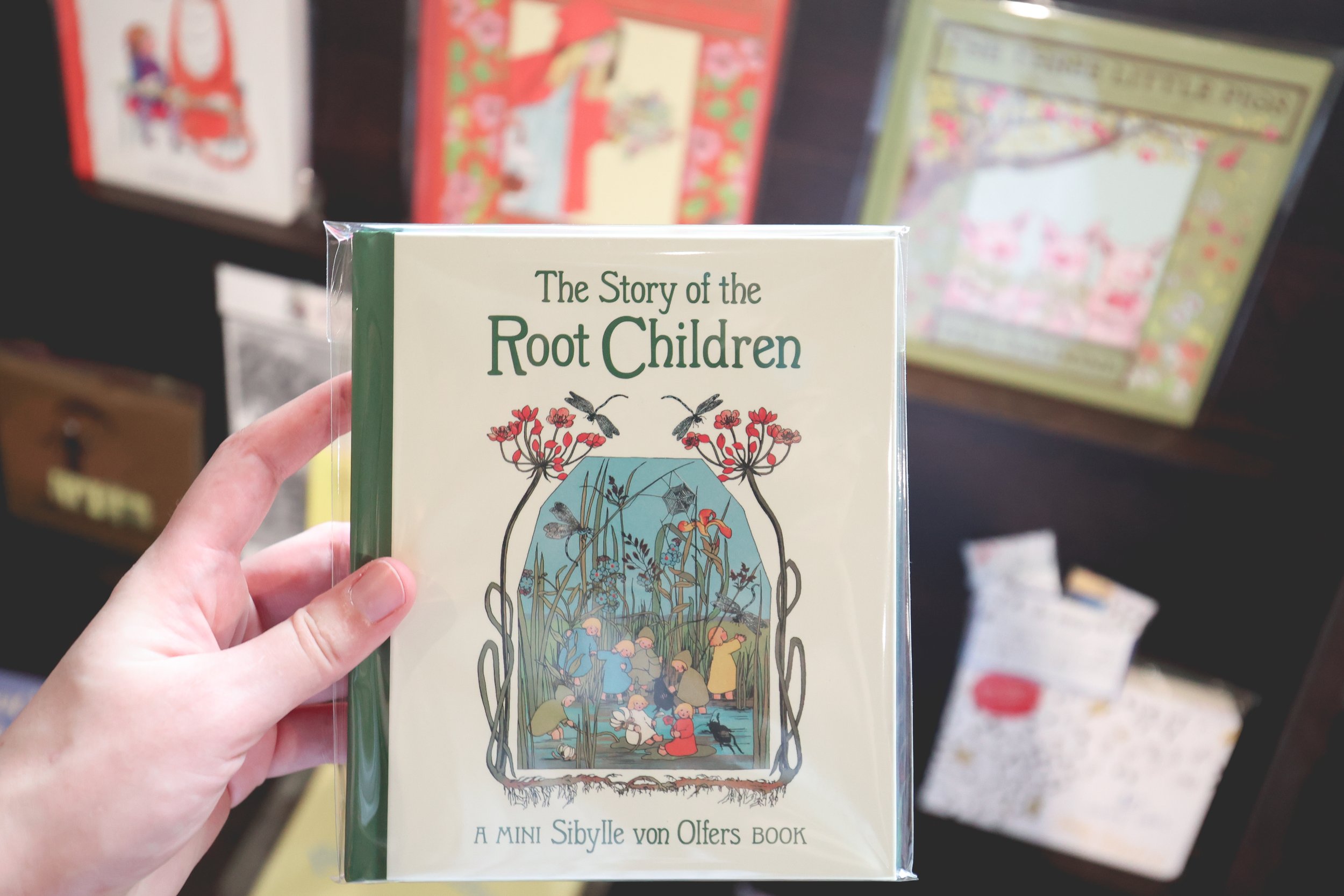
⋆ The Story of the Snow Children, by Sibylle von Olfers
⋆ Can’t You Sleep Little Bear?, by Martin Waddell
⋆ Rapunzel, by Paul O. Zelinsky
⋆ Nicketty-Nacketty Noo-Noo-Noo, by Joy Cowley
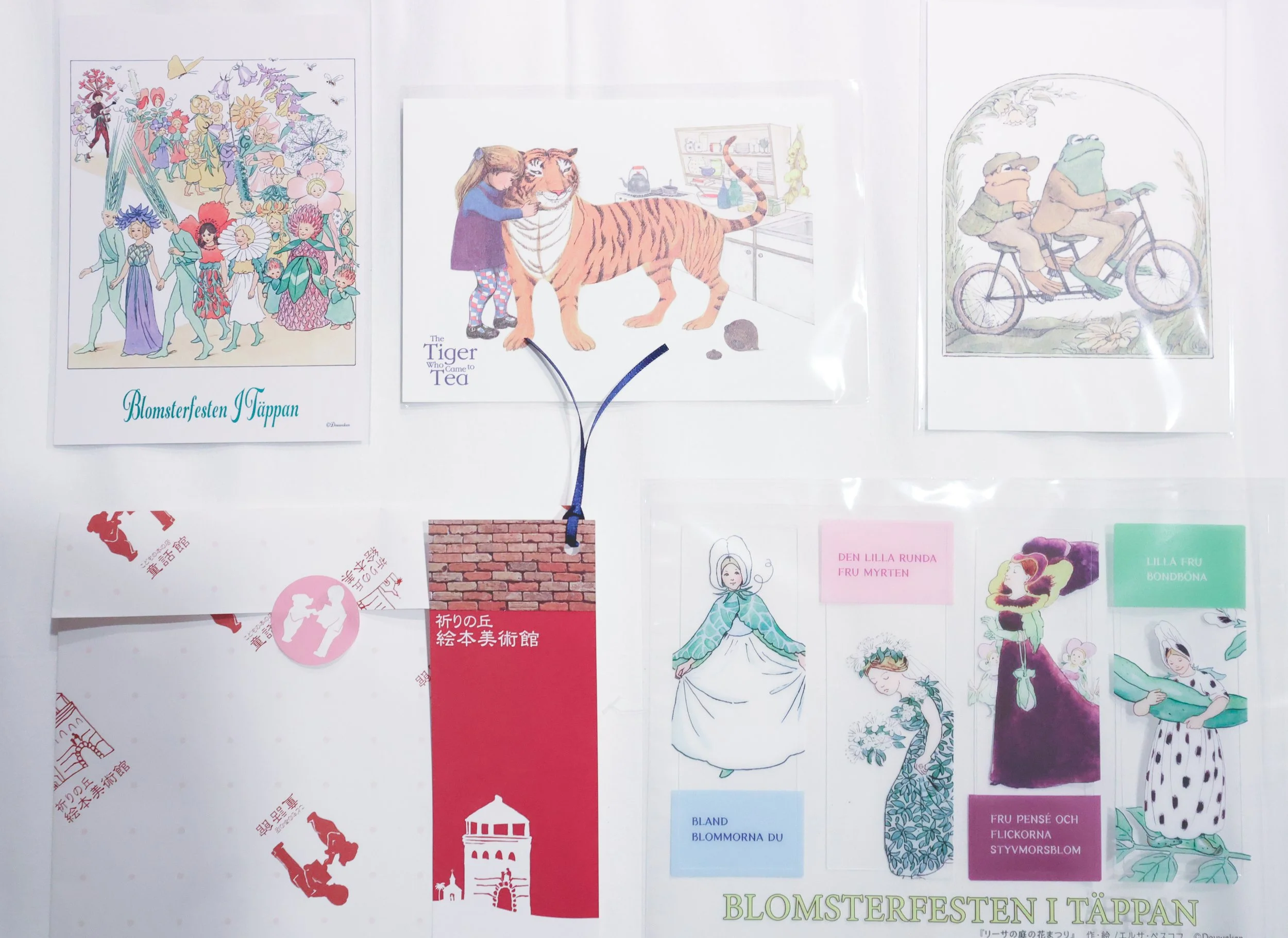
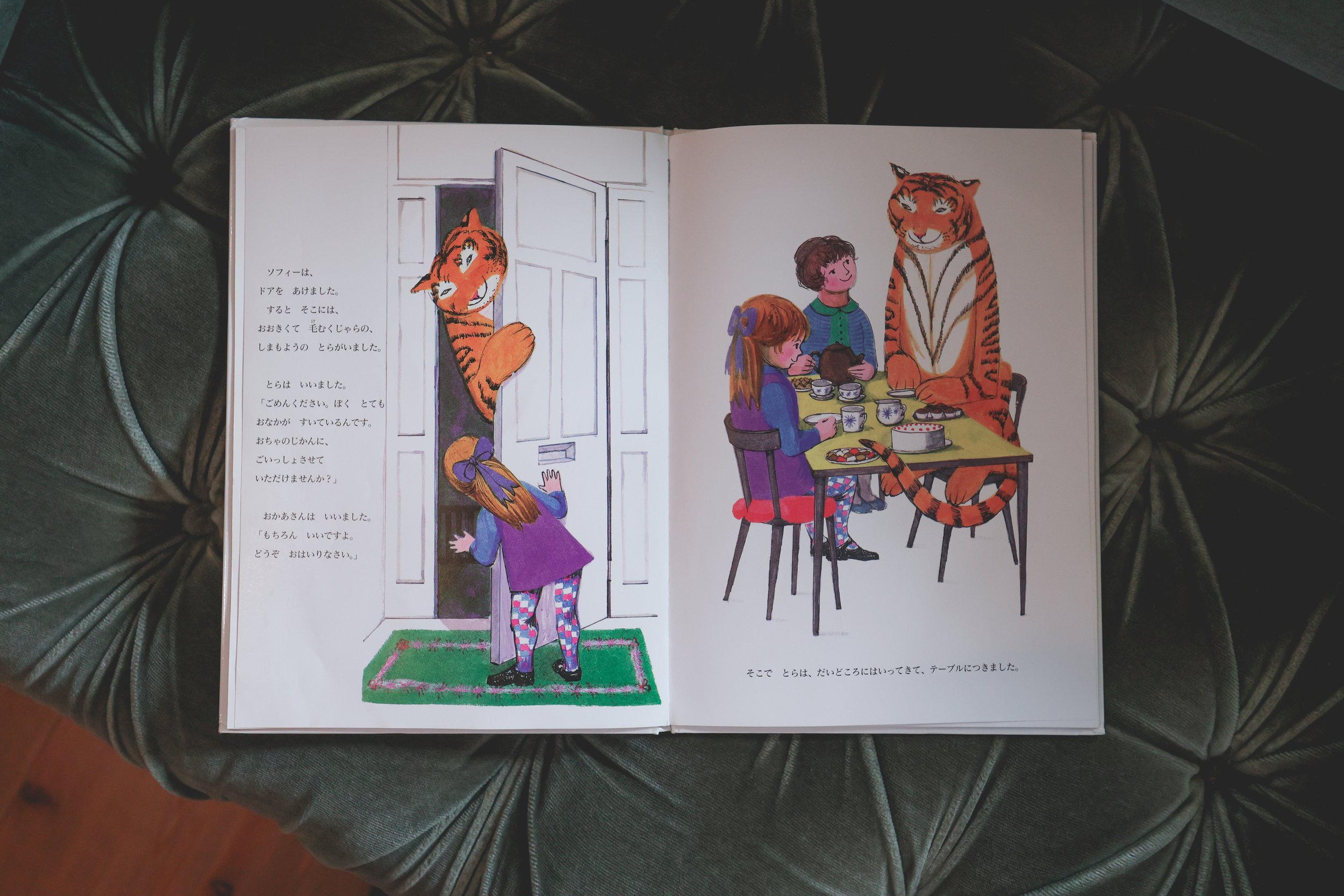
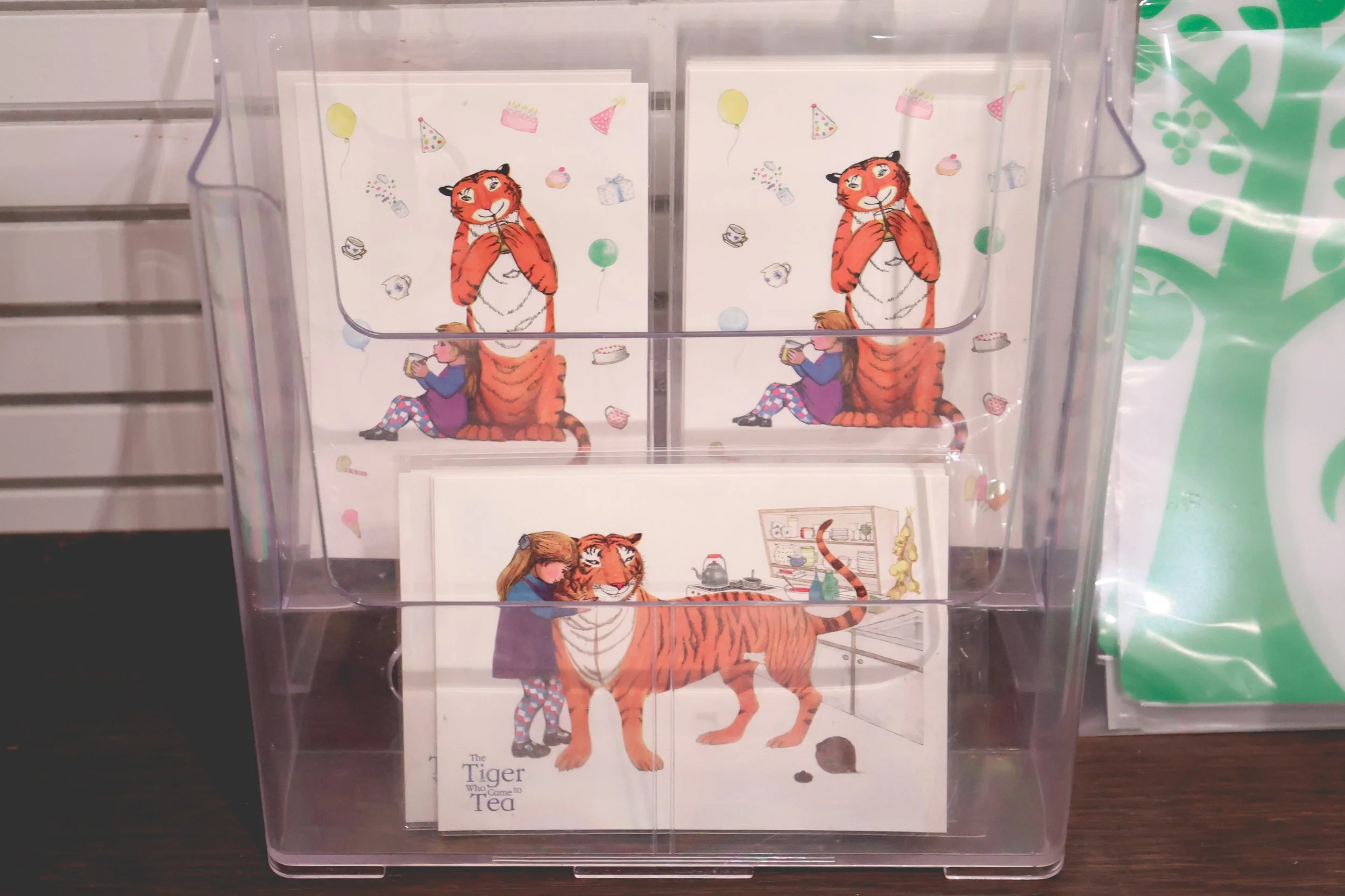
⋆ The Tiger Who Came to Tea, by Judith Kerr
⋆ Tales of the Mushroom Folk, by Signe Aspelin
⋆ Sato the Rabbit, by Yuki Ainoya
⋆ Mouse on the River, by Alice Melvin
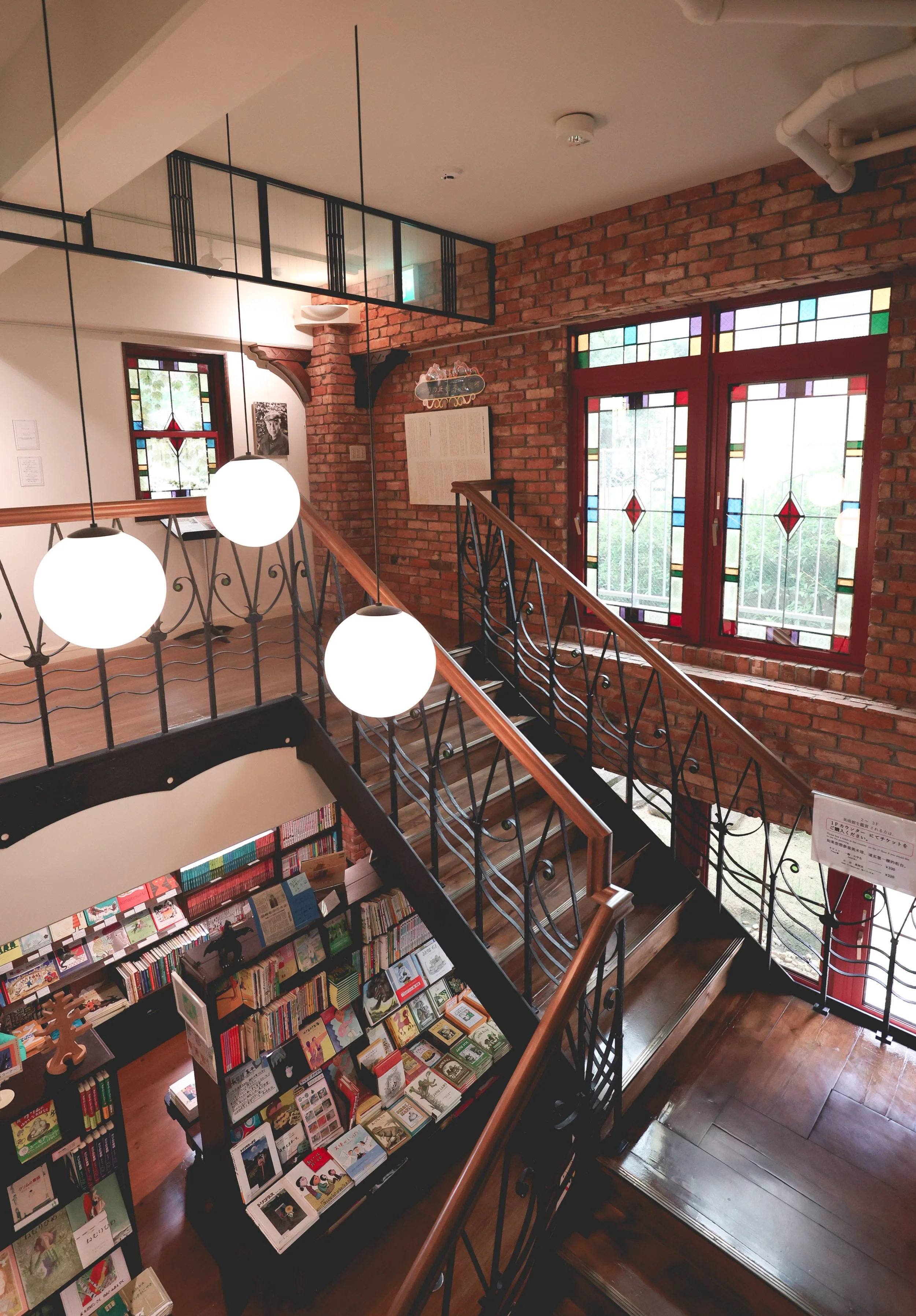
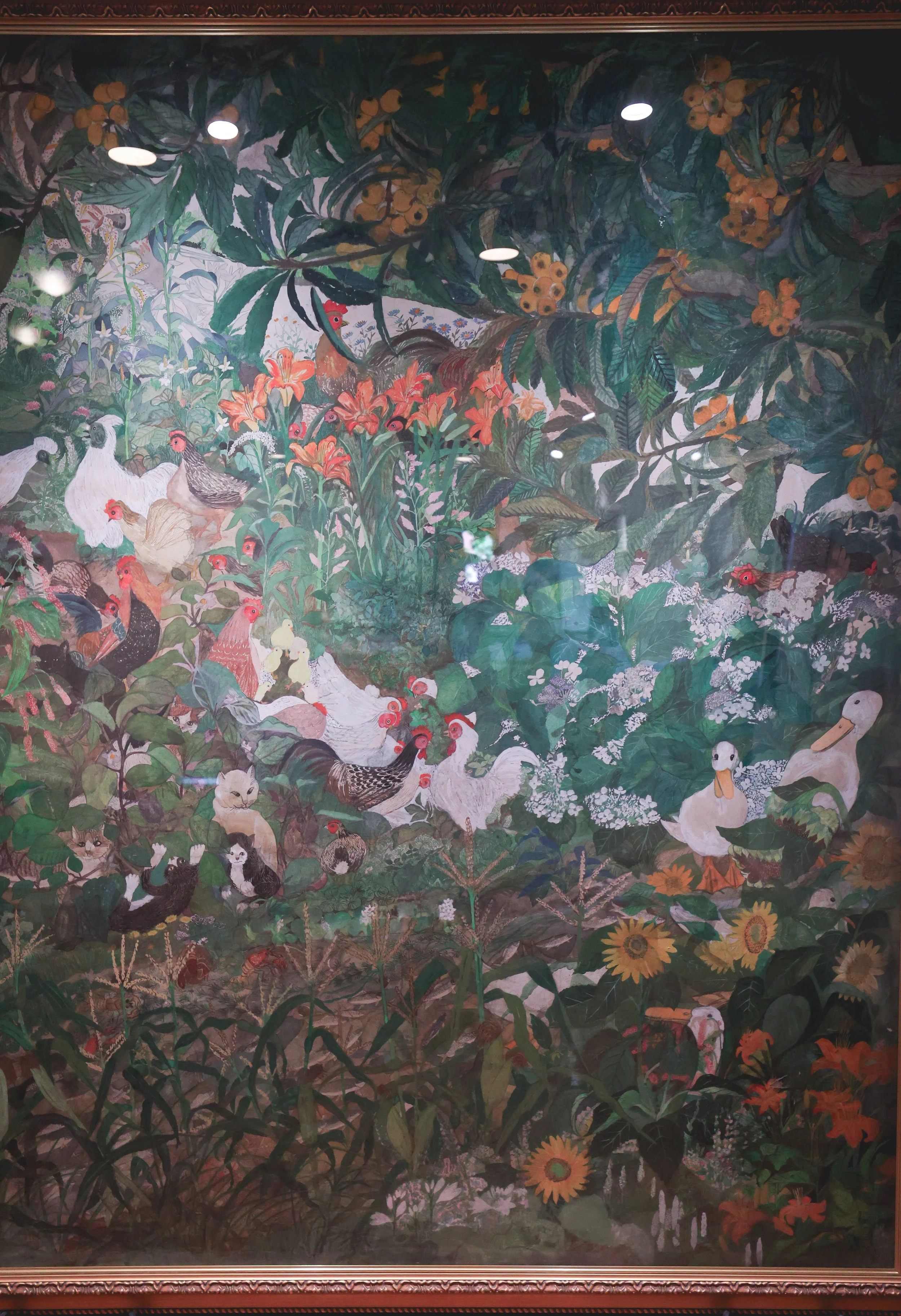
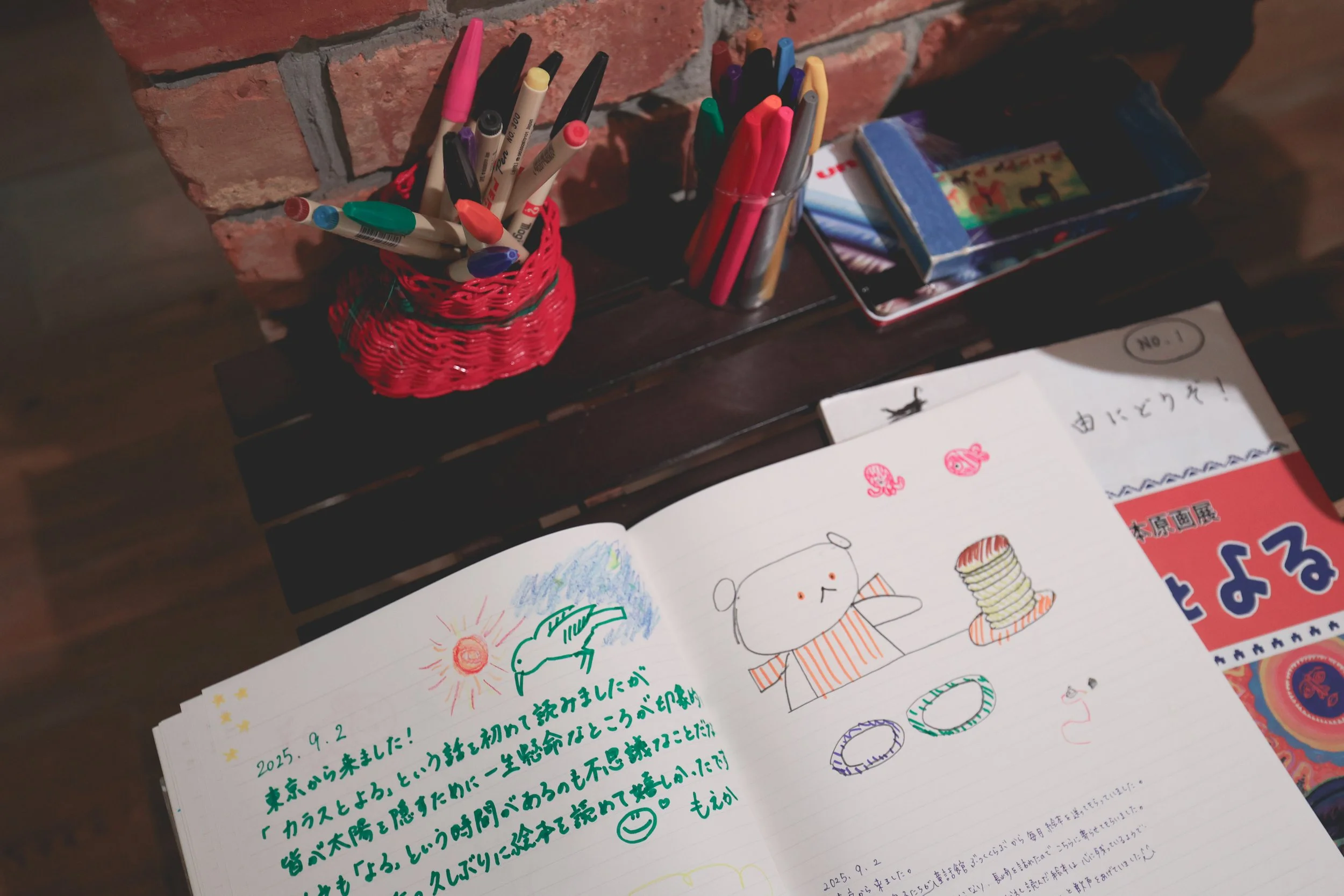
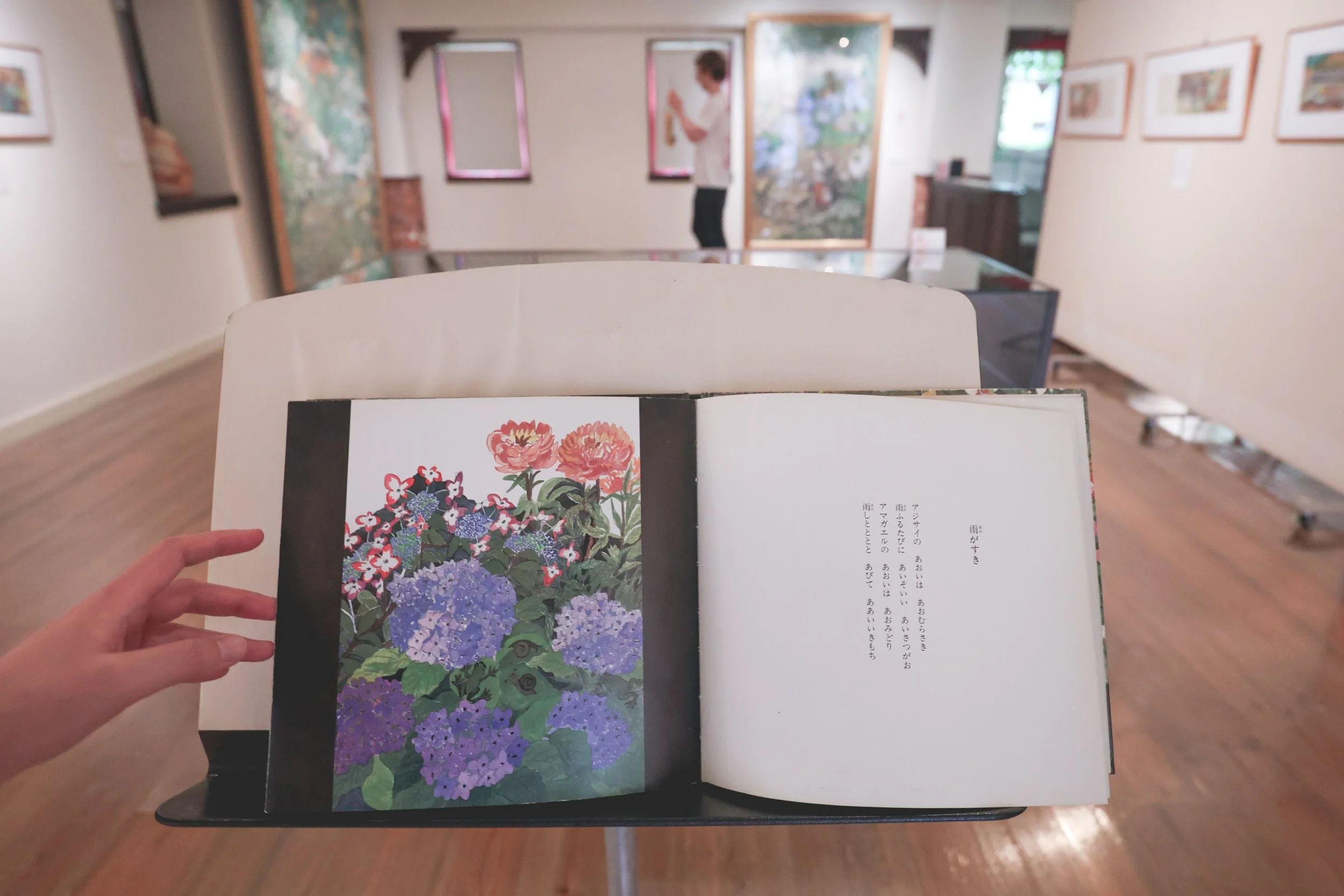
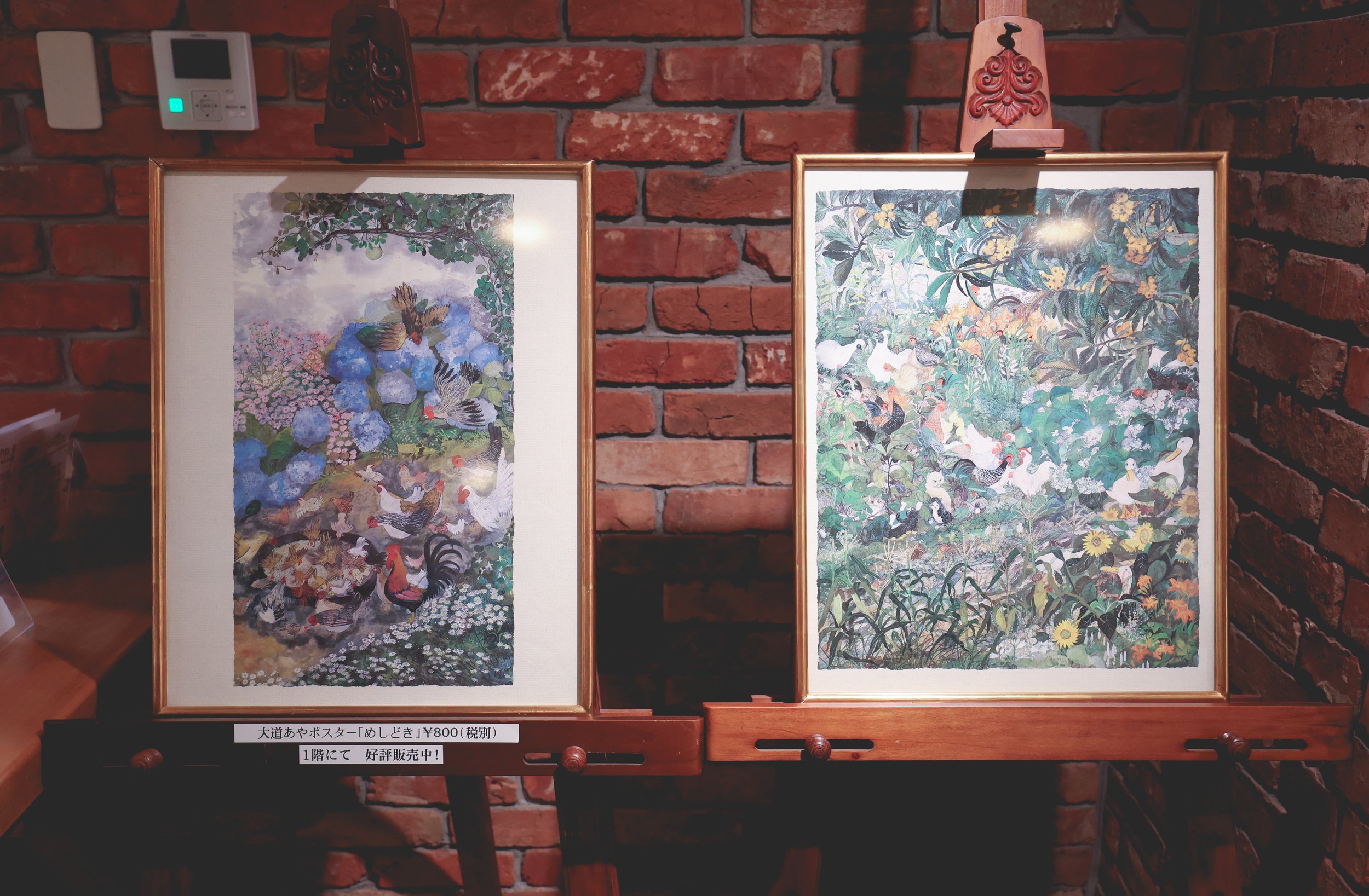
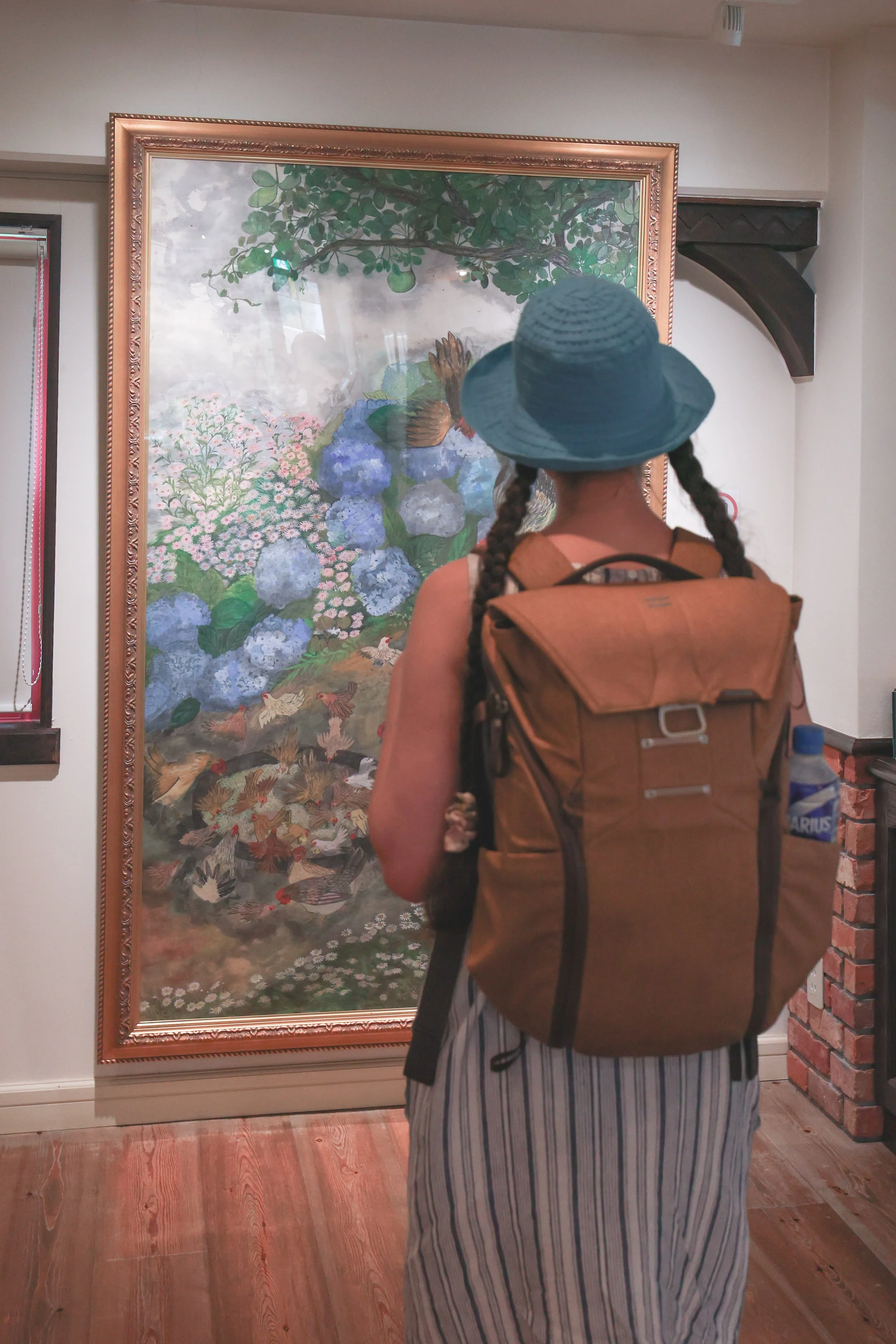
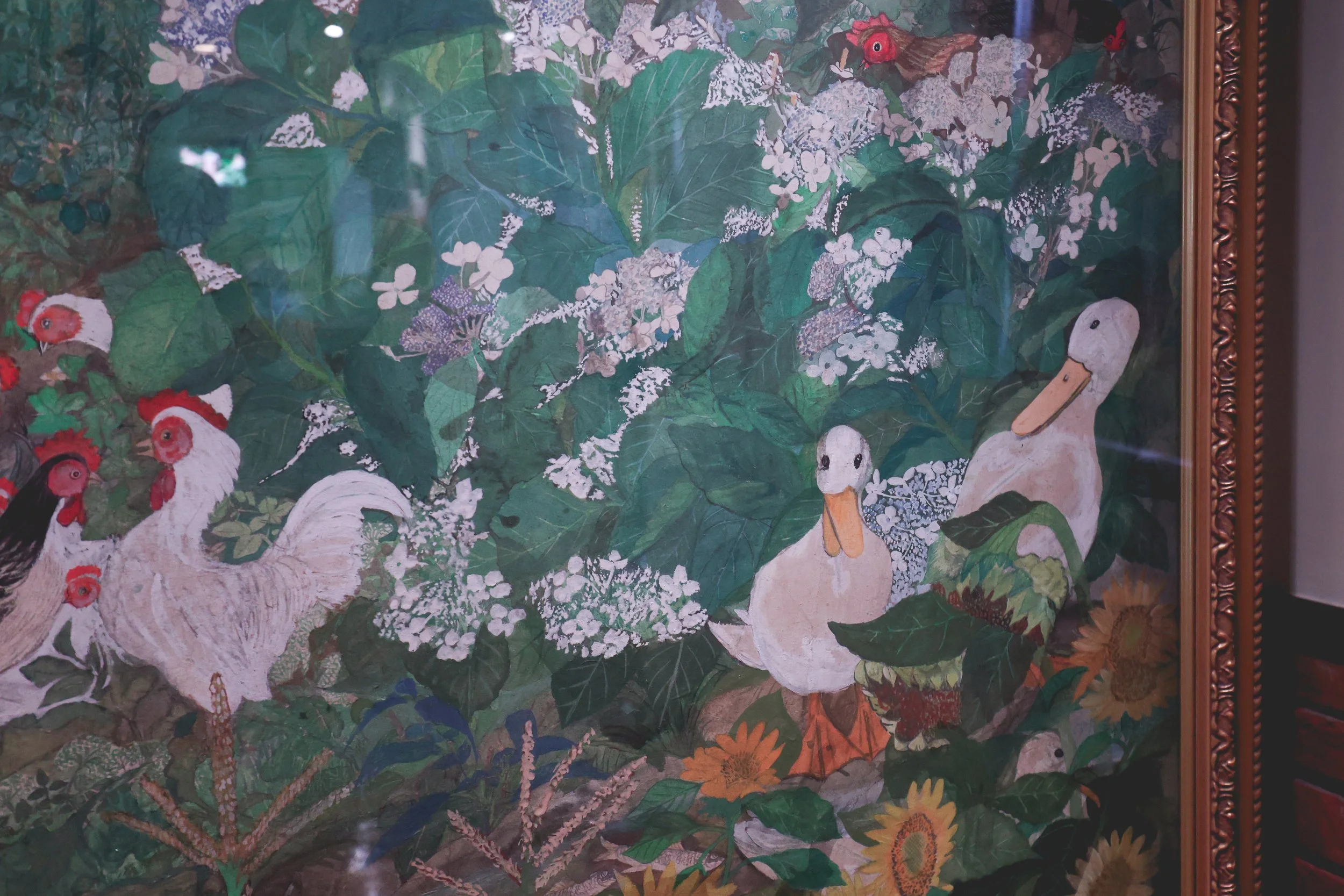
Up the stairs, there is a gallery, with a beautiful long-term exhibition of paintings by picture book artist and author Aya Daido.