DELFT BLUE


Delft blue and white china print dress
The pagoda’s roof curls beyond the lake-view glazed

in reproduction blue on serveware matched to the

butter dish, the gravy boat, the once-a-year-feast—no

Villeroy & Boch, but good enough, herr doctor, to fake

the recherché look. Pastorals stand for the village, and

candles, like black trees in Brothers Grimm, script

happiness we can drown in.
— Blue Transferware - Karen Rigby

It is the year 1639. A large ship arrives in Rotterdam's bustling port, in the Netherlands. The cargo is unloaded: a treasure-hoard of lacquered tea-sets, hand painted wallpapers, and porcelain vases, from the far-off climes of China.

Elsewhere in the city, in an old brewery building, a potter is lost in his work, painting a white layer onto many tiles. In the corner there are stacked tiles upon tiles: blue and white. Blue and white. Each one holds a scene: some with flowers, others with windmills, and others still with exotic traceries of plumed birds resting in branches of blossoms. The sign above the workshop reads:


Delfts Blauw - Porcelain Pottery, 
The Guild of St. Luke.


It was exactly this movement of china bowls, jugs, dishes, and other luxuries, shipped to the Netherlands by the East India Company, that stirred up a vogue in Europe for all things exotic. In England, as in France, the elite sat in their wallpapered parlours and drank Chinese tea out of porcelain cups.

Tea drinking was a fundamental part of polite society; and chinoiserie rose from the desire to create appropriate settings for the ritual of tea drinking.
— David Beevers

The many potteries of the Netherlands picked up on this mode for chinoiserie, the love of the exotic, and began to imitate the glazed and lacquered look of the porcelain dishes being imported. Potters in places like Delft and Rotterdam refined their techniques, applying a tin-glaze to their plates and tiles, before painting them with a mix of calcined cobalt ore, quartz sand and potash. Thus, the beautiful illuminated whites and deep blues of 'Delfts Blauw' was born unto the world, and then imitated in all manner of chinoiserie furnishings and wallpapers. It was not until the 1700s that porcelain began to be made in Europe, and until then, the Delft Blue potters provided an earthenware equivalent for much less. 

The images on Delft serve ware have always evoked a kind of fairytale quality, depicting idyllic scenes of...

Farms and windmills, children at play, ships at sea, flowers & fruit, and biblical scenes taken from engravings.
All of this set alongside a hint of the foreign; of parasols, pagodas, long-legged cranes, and willow patterns.


A MARIE ANTOINETTE BIRTHDAY

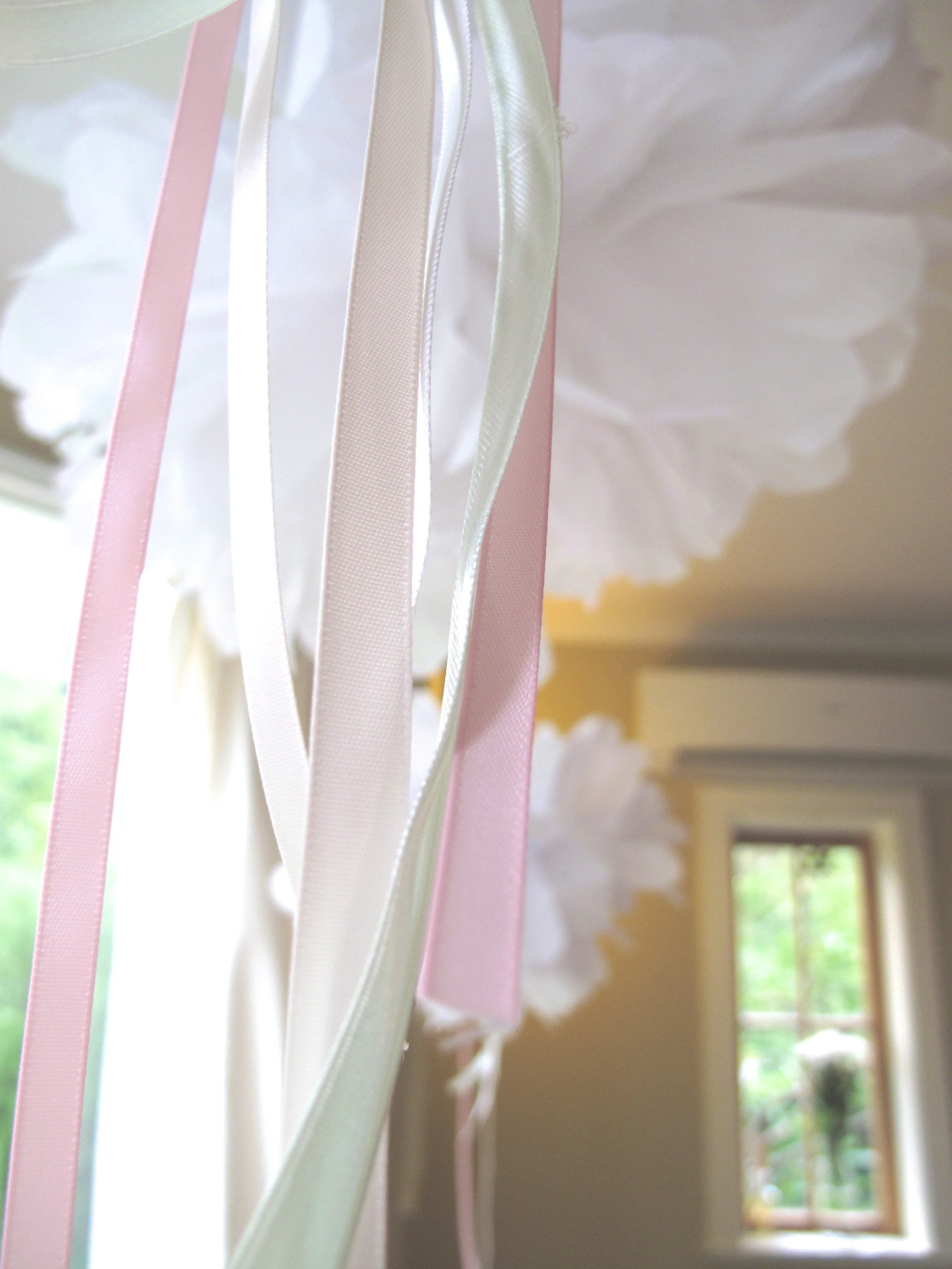
Marie Antoinette party decor pompoms and streamers

HOW I SHOULD LIKE TO LIVE LIKE HER...

The life of Marie Antoinette was both charmed and fraught, filled with happinesses as well as sufferings. In essence, Marie was like any one of us: a human, moving through life in the best way she could. Yet, in many ways Marie lived in a dream. As the princess of France, she could bring to life any fancy, any whim; she could surround herself with gardens, and friends, and parties, and simple pleasures such as good books and fresh foods from her own farm. Oh, to be Marie for a day in the fragrant gardens of the Petit Trianon... That would be an experience. 

Marie, ever a fan of parties, would throw the most lavish balls and fêtes, as well as the most intimate gatherings of friends. 

Marie Antoinette could not fail to do the honours of Trianon for her guests. There was given in the theatre ‘Zemire et Azor’ by Gretry, and ‘Jean Fracasse au Serail,’ a ballet by Gerdet; the dances were gay, the costumes very rich, the actors excellent. After the play there was supper; after the supper an illumination. The garden looked like fairy-land; the queen enjoyed all these splendours, which were hers, and her grace and kindness and delicate thoughtfulness added to them. ‘How much I should like to live with her!’ the Comtesse du Nord said, on the day following this entertainment.

Then on Saturday, June 8, there was a fancy-dress ball at Versailles. The salons, and especially the gallery, were beautifully decorated with a profusion of candles and girandoles. The whole court was in full dress, the king having ordered that every one should be as brilliant as possible, or not appear.
— The Life of Marie Antoinette - by Maxime de la Rocheterie

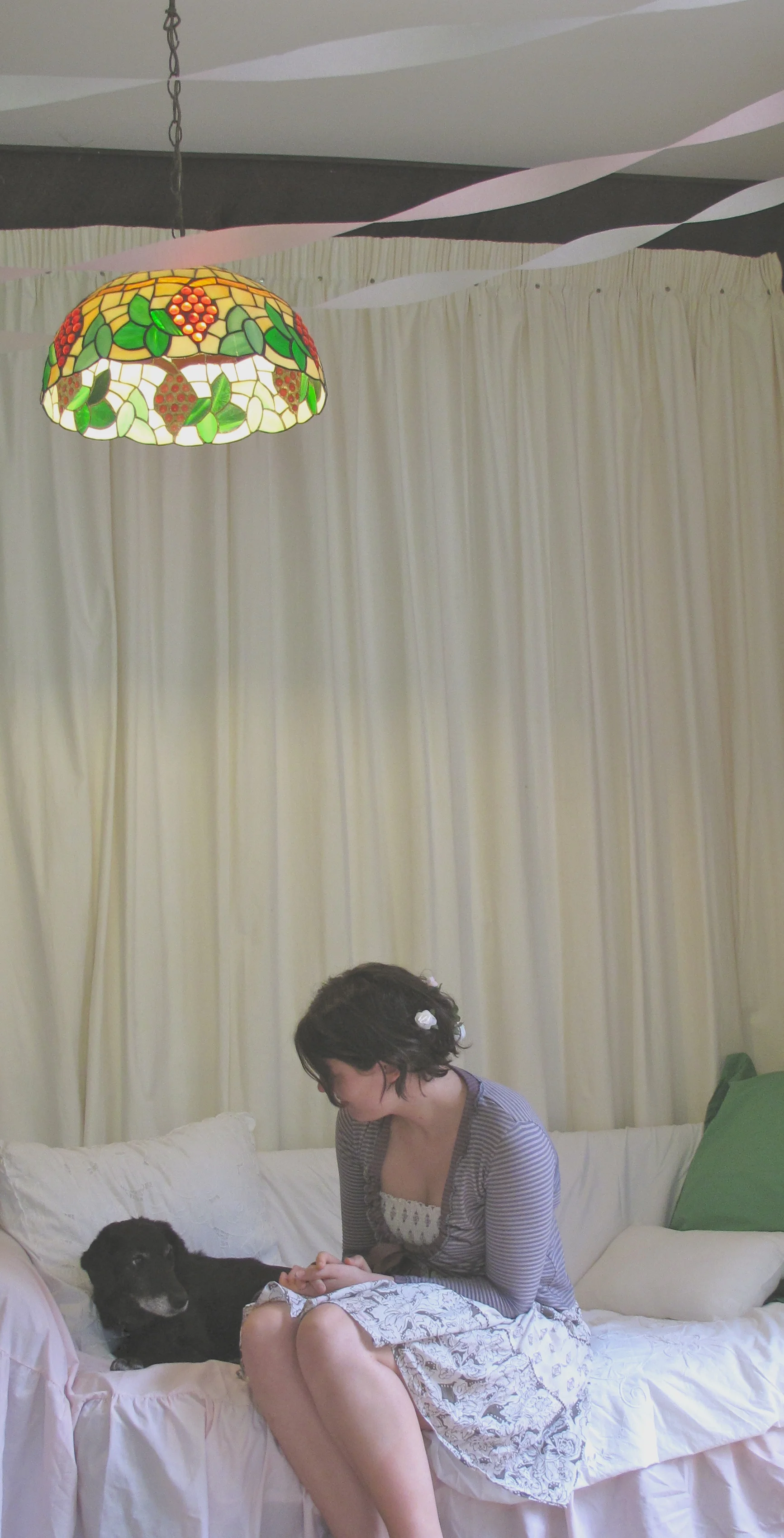
It was these dreamy garden parties that inspired me to hold my own soirée, in honour of friendship, and of my twentieth birthday.

On her twenty-first birthday, Marie threw a party like no other:

the festivities began 36 hours before the big day. At around 7pm on October the 30th, the Faro tables opened at the château de Fontainebleau. Marie and her guests proceeded to drink, play card games, and be merry until the small hours of November the 1st.

While my own birthday was a little less epic, I planned it in the same flawless style as Marie: down to the very last detail. I sent out my invitations, planned the table settings and dinner menus, and organised many games. Everything was there for the delight of my friends. 


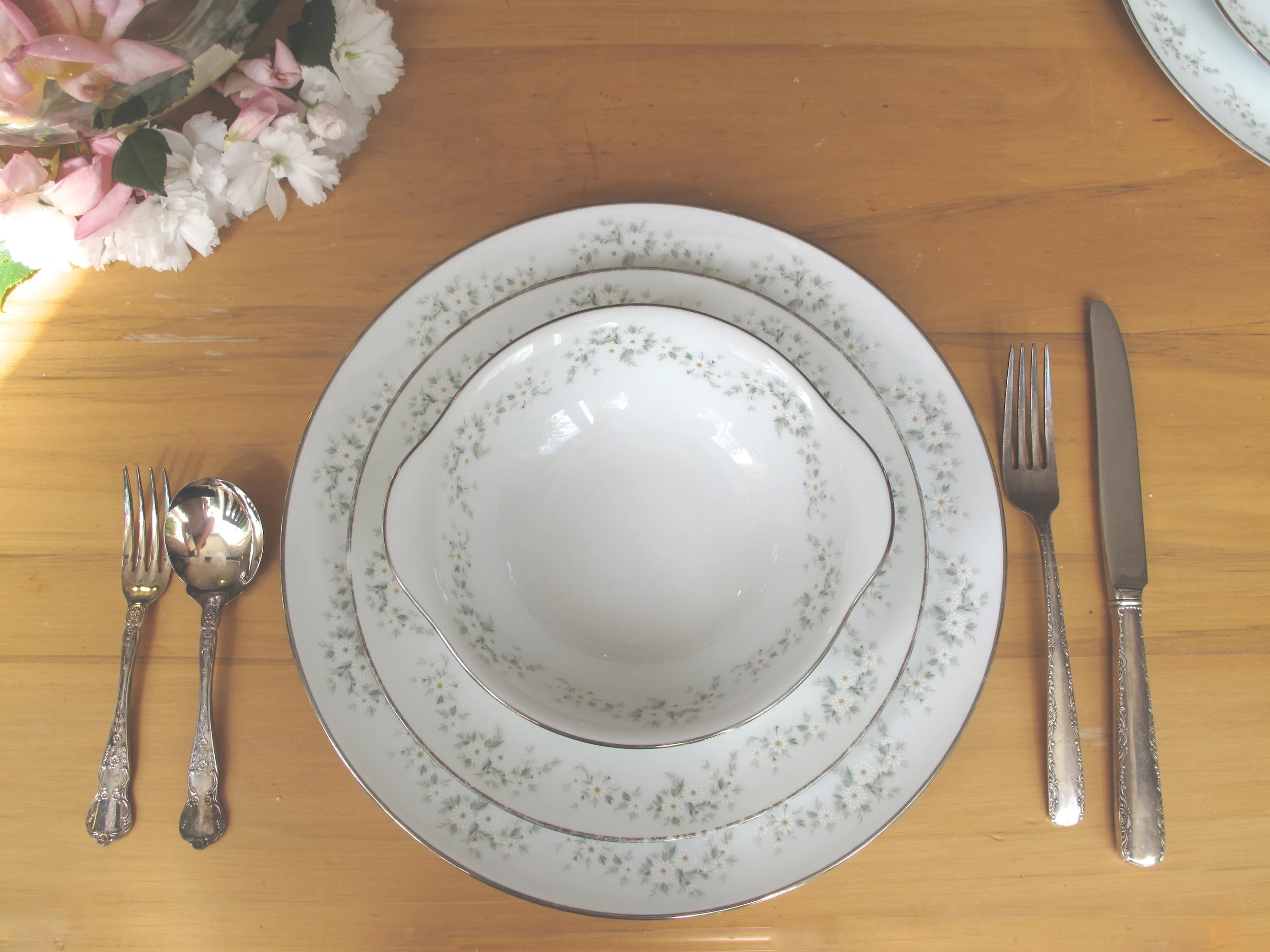
Marie Antoinette party table setting
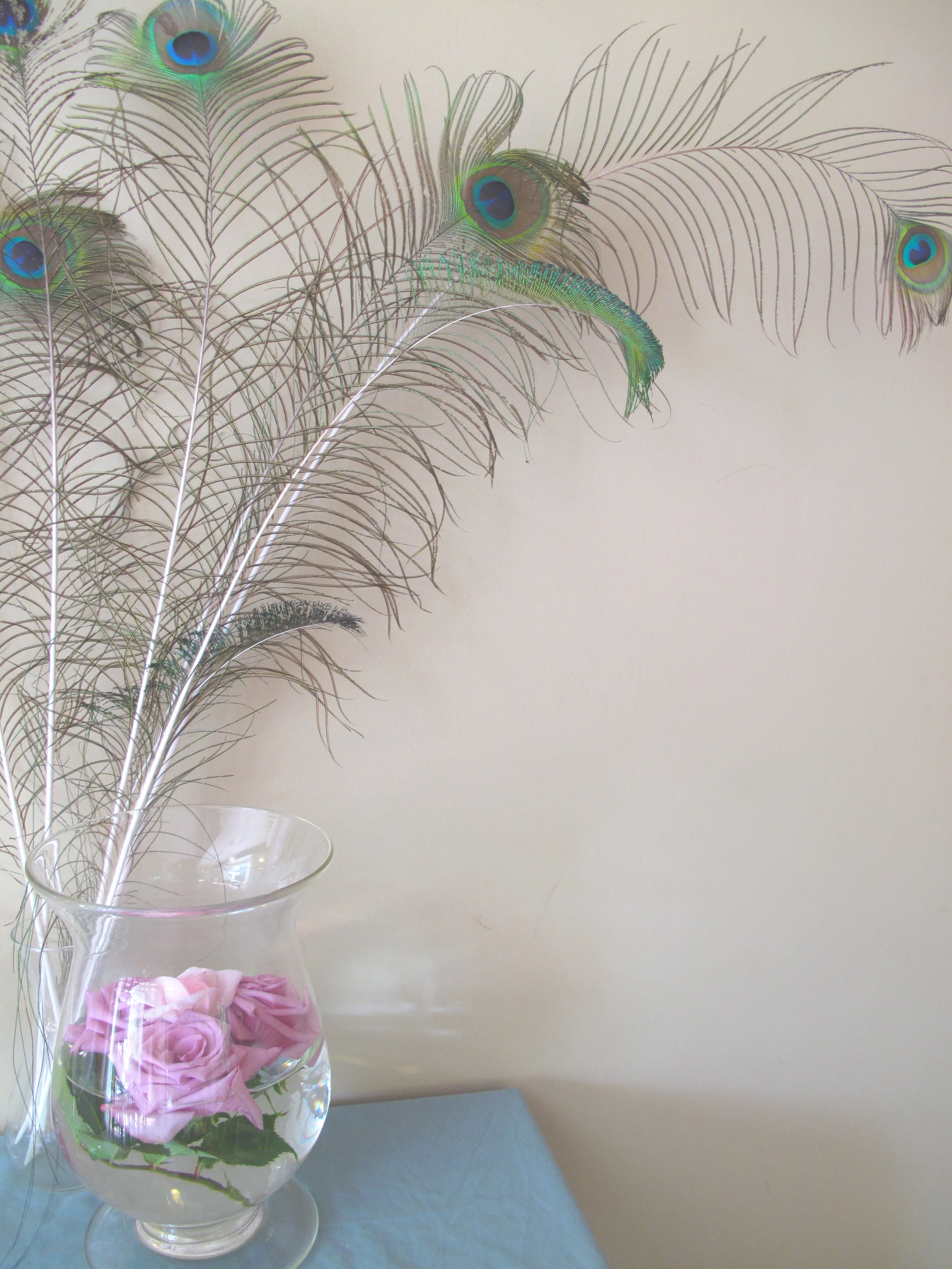
Marie Antoinette party peacock feathers
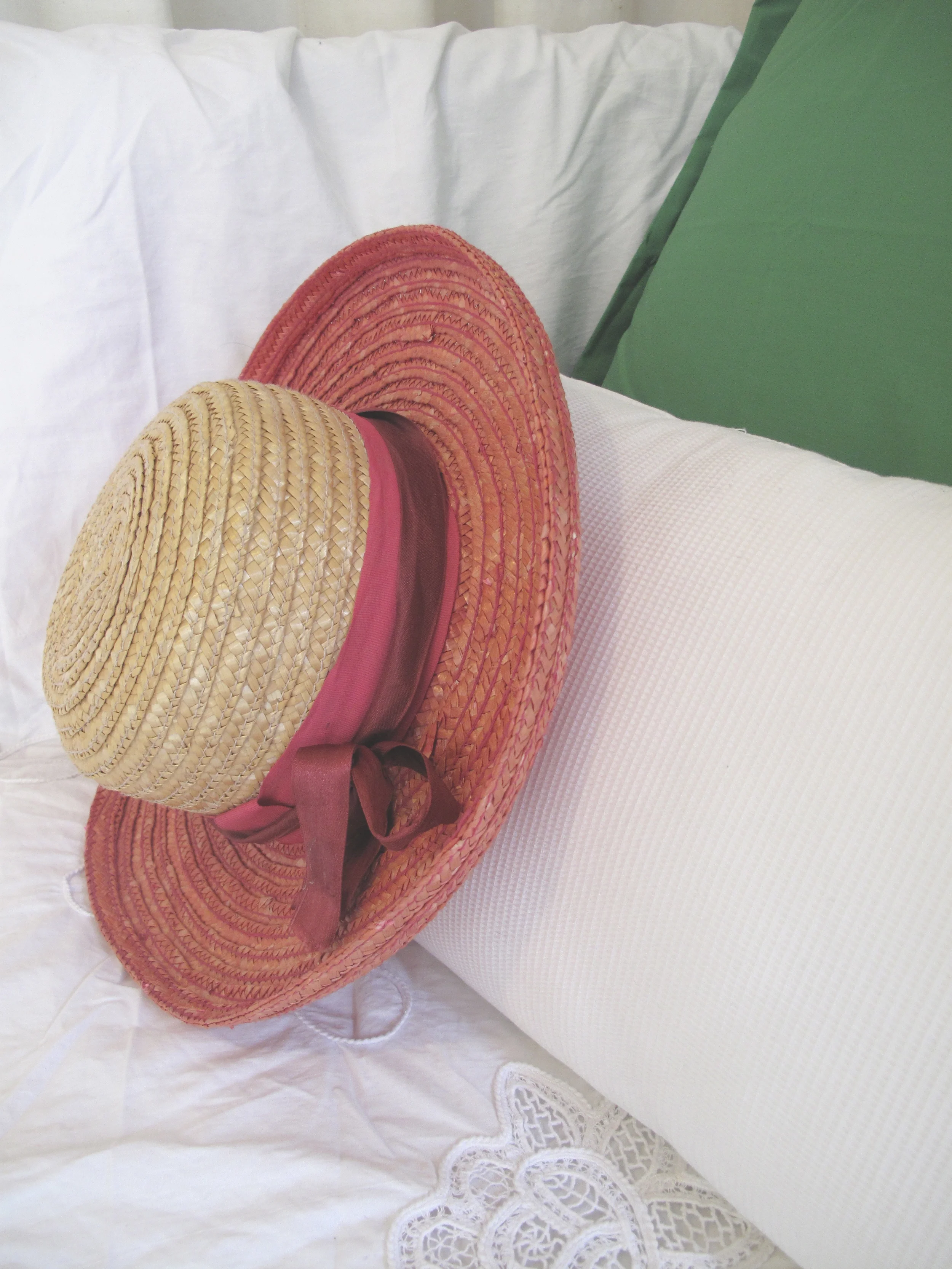
Straw hat in pink
Marie Antoinette party gifts
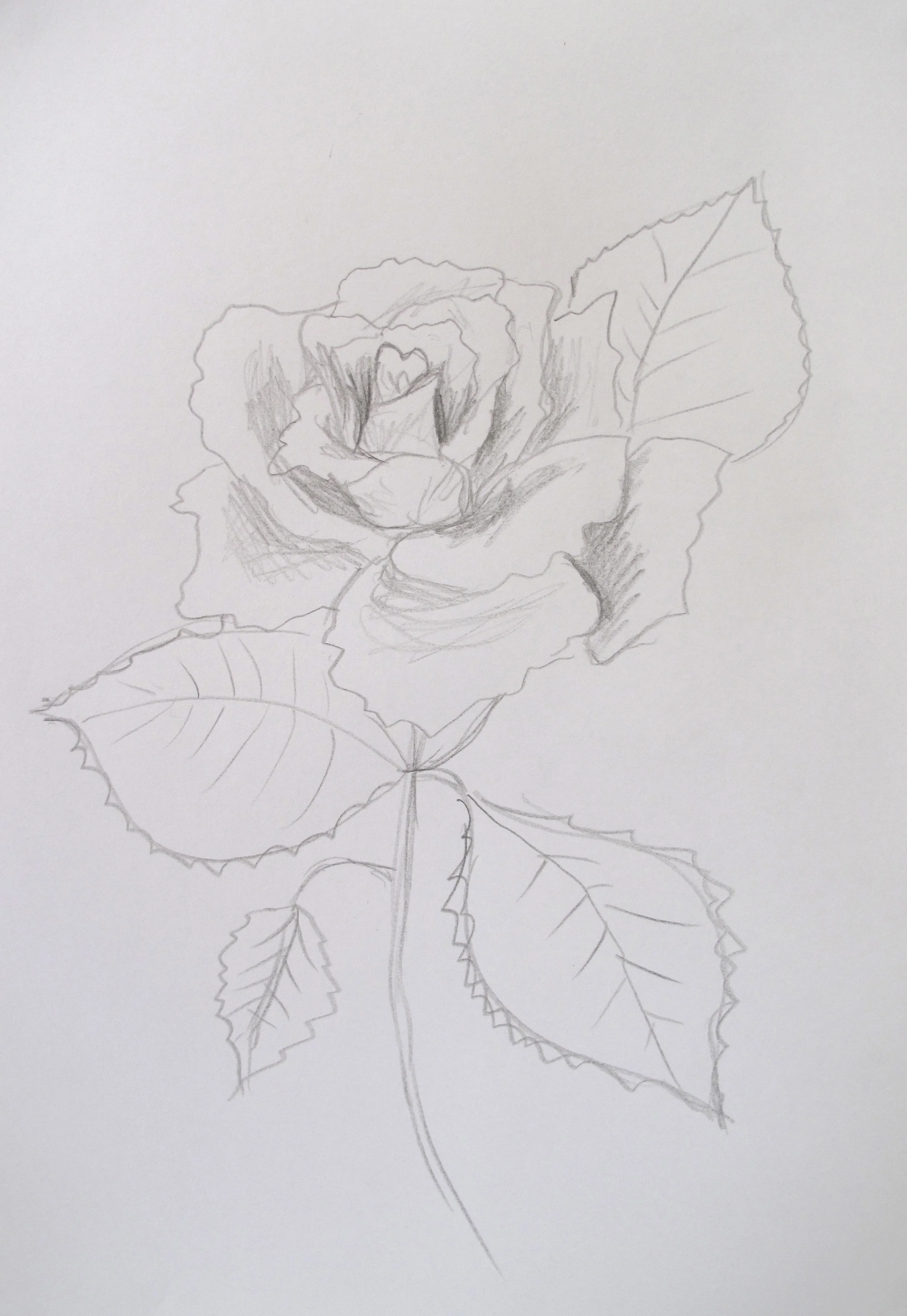
simple sketch of a rose
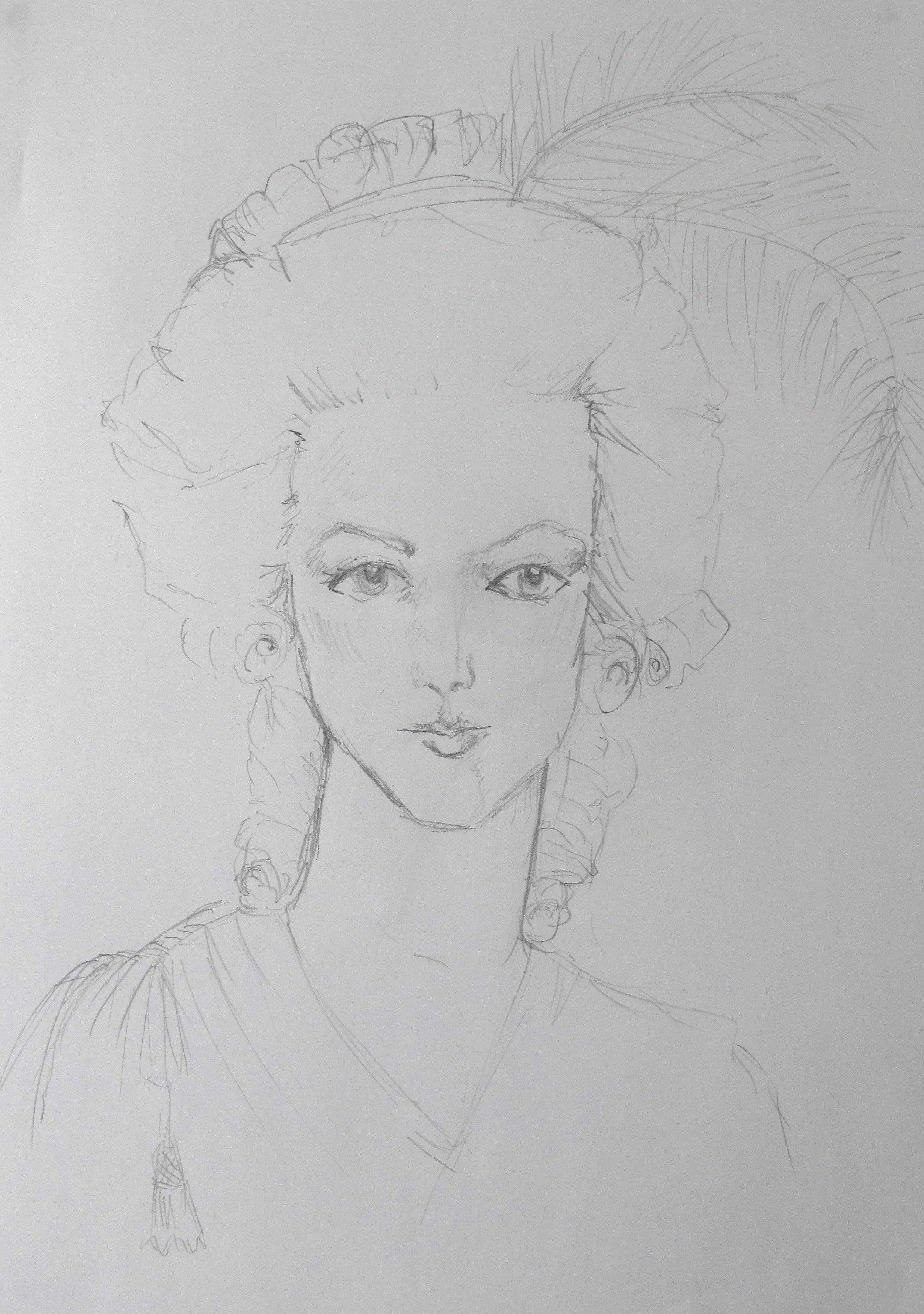
Marie Antoinette sketch portrait
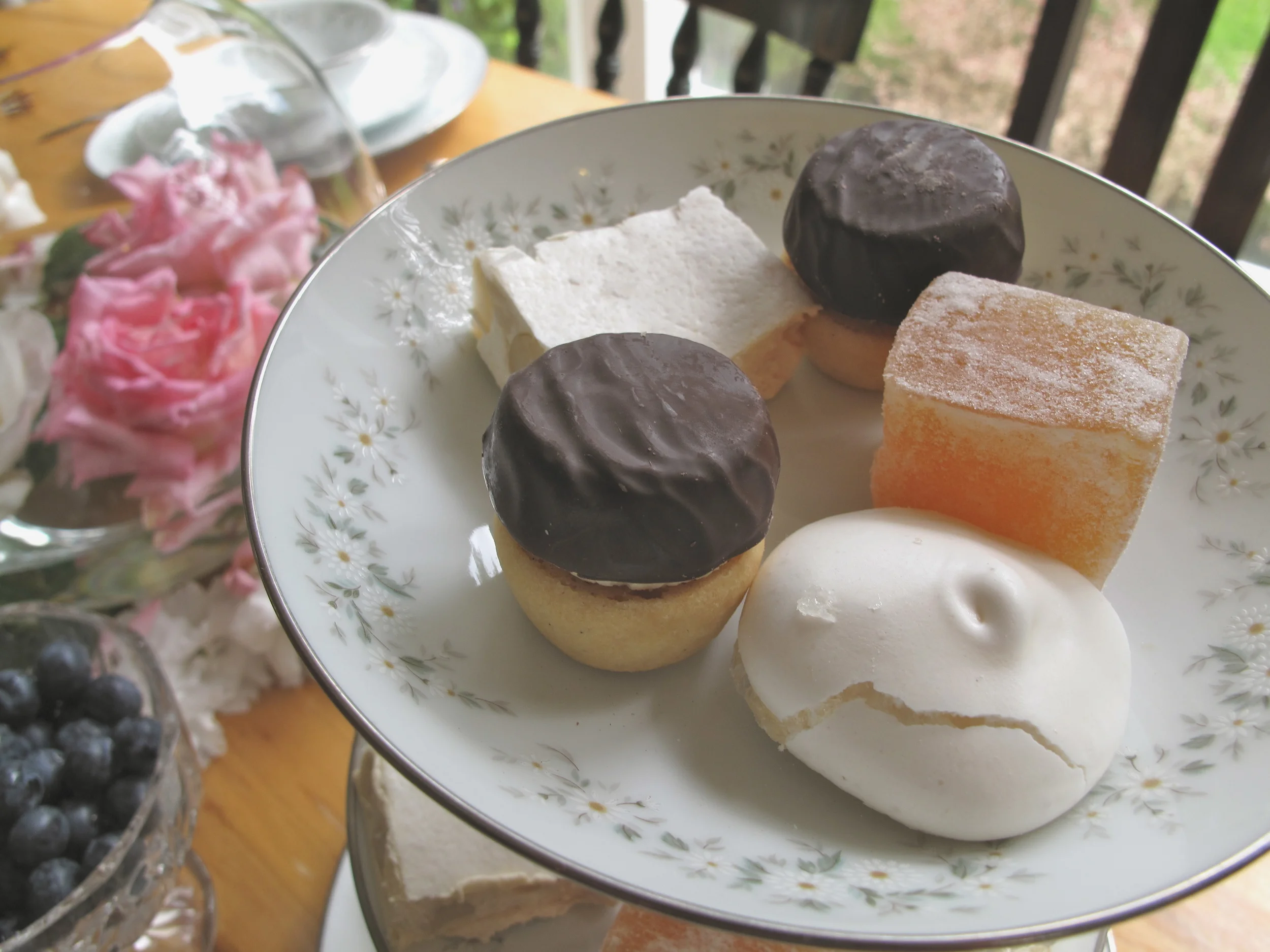
Marie Antoinette party desserts
Marie Antoinette party food
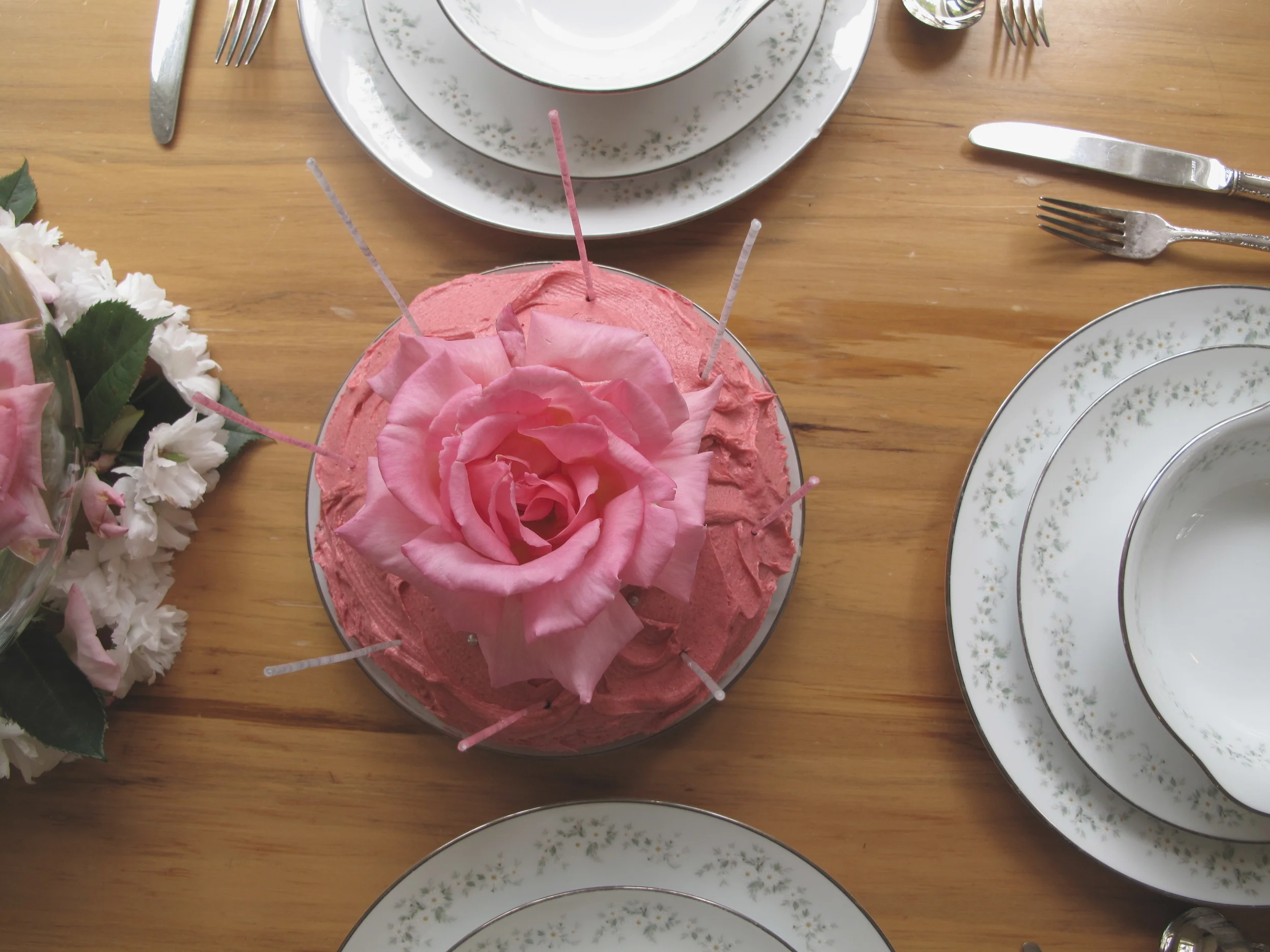
Marie Antoinette party cake with rose
Marie Antoinette party simple hairstyle
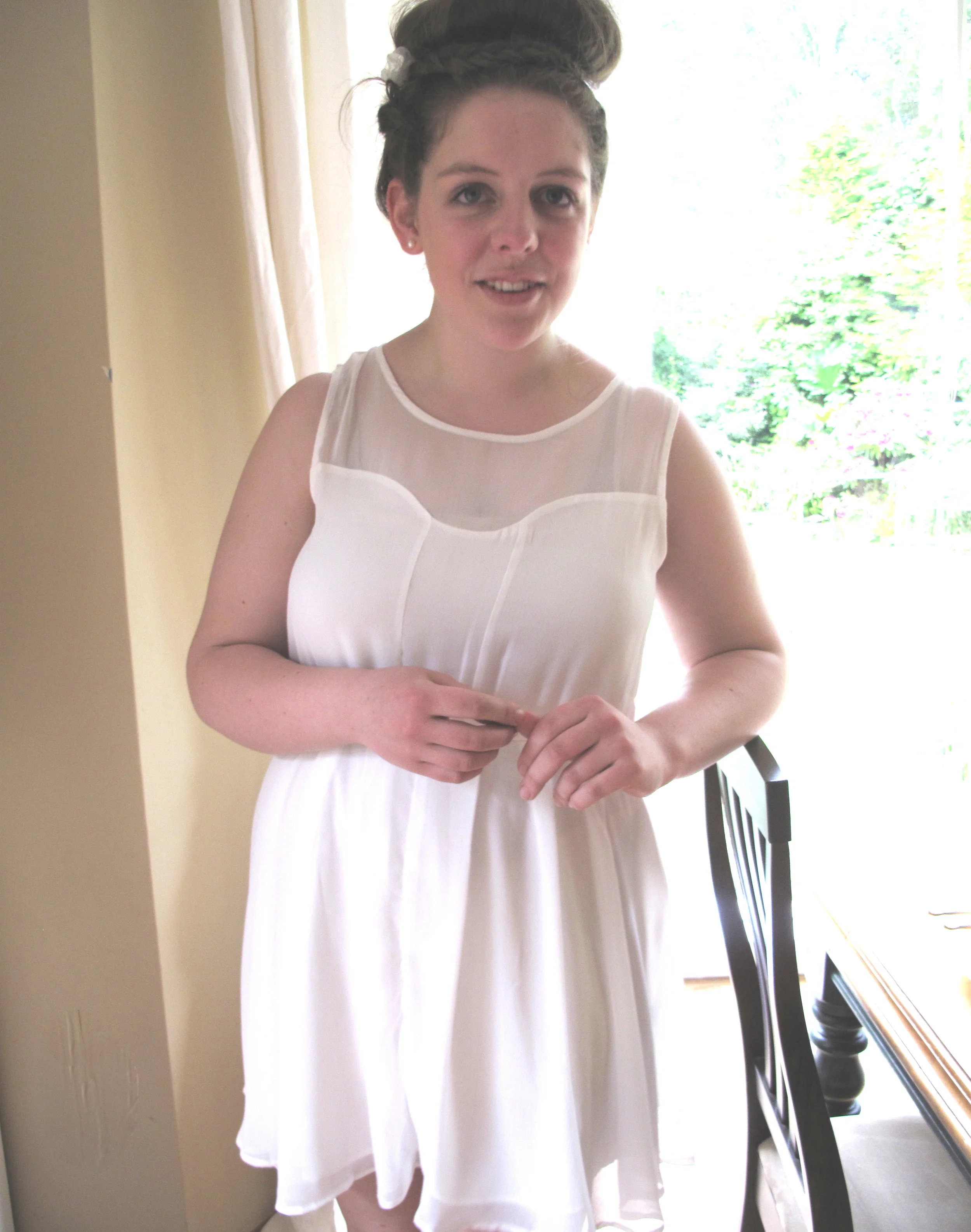
Louise in a pretty dress
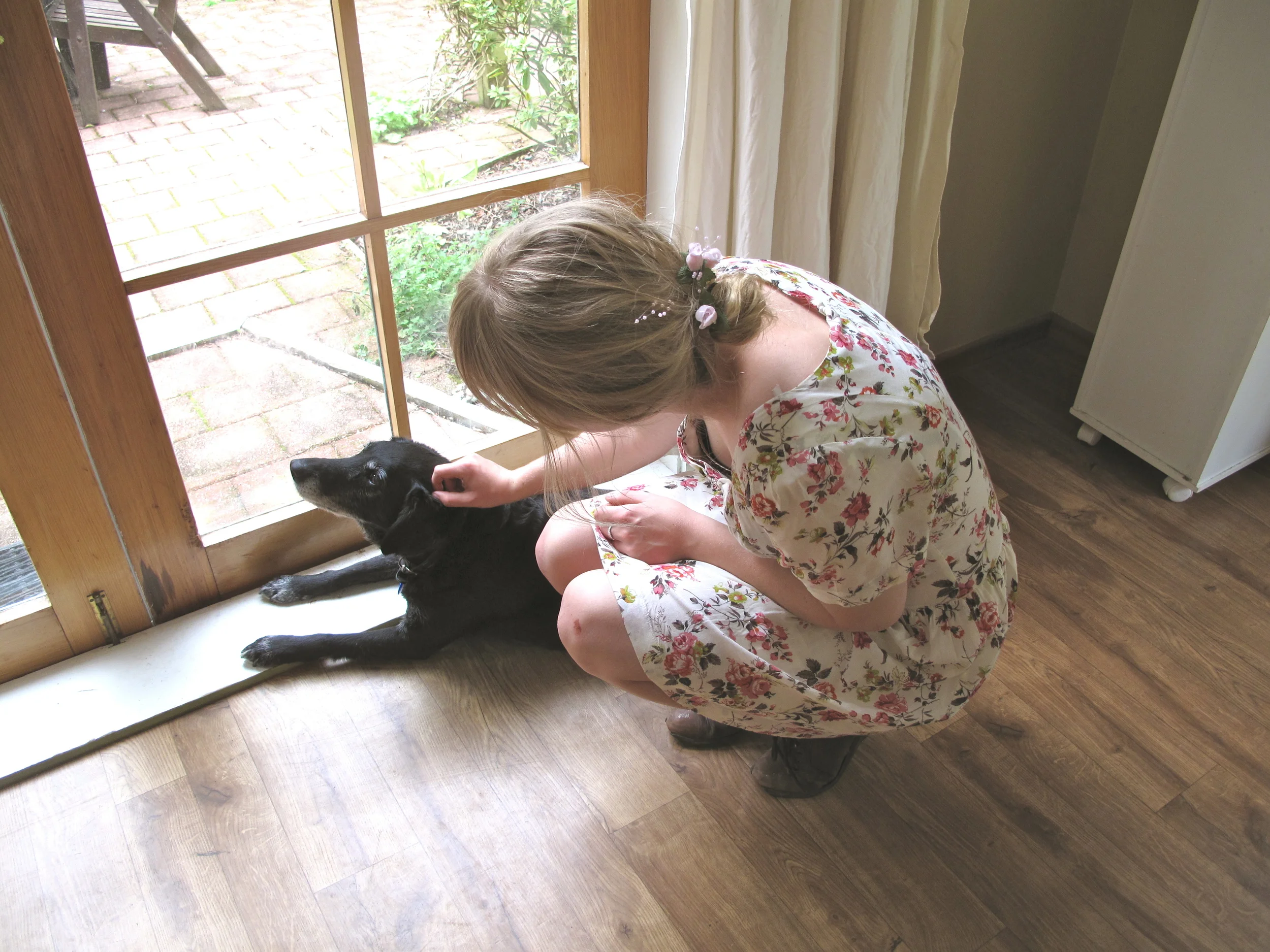
Marie Antoinette party small dogs
Marie Antoinette party dress

AT THE PETIT TRIANON

The Grand Trianon, Versailles

WITH MARIE ANTOINETTE


Dance of the Blessed Spirits
Gluck

SHE WISHED SHE COULD LIVE
IN THE MIDST OF FLOWERS...
 

🌸🌸🌸

 
Marie Antoinette's apartment at the Petit Trianon

🌿 THE PETIT TRIANON 🌿

- THE JEWEL BOX- 

Originally created by Louis XV for Madame de Pompadour, the Petit Trianon was handed down to Marie by her husband.

Immediately, she went to work refashioning the interior -picking out new furnishings that fulfilled her pastoral fantasies.

She so loved flowers that they adorned every surface: boiseries of bouquets on the wood panelled walls; lily of the valley, jasmine and pine-cones on the carved chairs; and whole fields of embroidered flowers on the tapestries, hangings and coverings. 


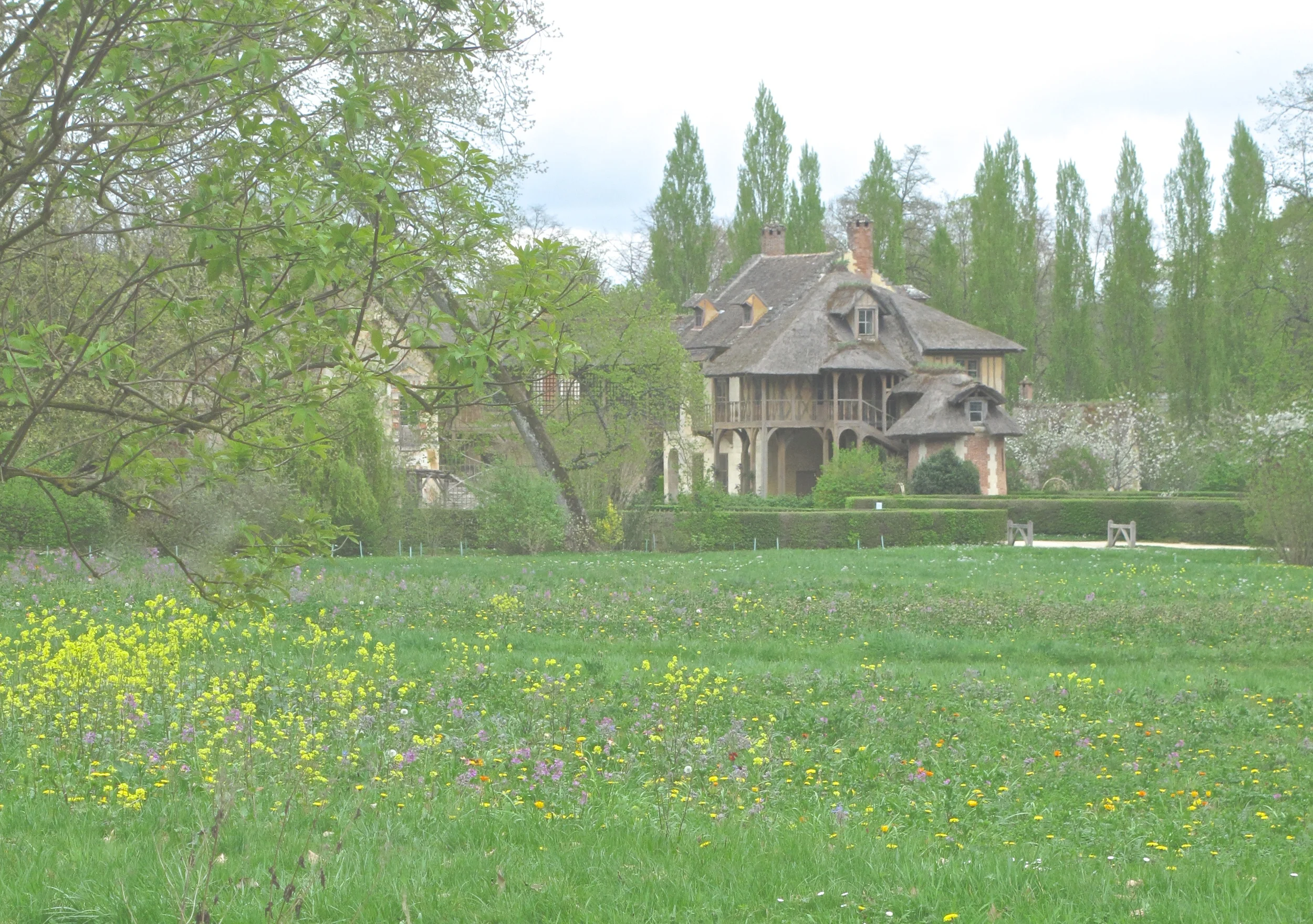
the Hameau de la Reine, Versailles, farmhouses

🌿 LE HAMEAU DE LA REINE 🌿

- THE FARM-

In addition to the Petit Trianon, Marie began work on a small village, in which she could spend her time - happily frolicking between fields of cows, milkmaids, and cooing doves. 

Thus, the Hameau de la Reine was created, with eight rustic buildings, their roofs thatched, their brick and stone walls adorned with creeping vines. 

Marie spent her time at the Hameau wandering between...

- The Water Mill & artificial river
- The Barn (used for balls and parties)
- The Dovecote
- The Queen's House & adjoining Billiards Room


🌿 THE ENGLISH GARDEN 🌿

Marie replaced Louis XV's famous botanical gardens with a living nature that was not imprisoned by greenhouses: her own English Gardens. Reflecting her own wishes for freedom, her gardens were designed for walking, picnicking and for intimate gatherings. 

Hidden between the trees and fields were small paths, leading to secret grottos cut out of the rocks. There, she could speak freely with her friends without being watched. 

The Grotto was all carpeted with moss and freshened by the stream that flowed through it.
— Count of Hézecques
Hameau de la Reine - Marie Antoinette's farm houses and fields of flowers

🌿 FREEDOM 🌿


BY ORDER OF THE QUEEN

If you want to come at noon, I will give you lunch. I will be all alone; I therefore kindly request that you not come in formal attire, but in country dress.
— Marie Antoinette, letter to Princess von Hesse-Darmstadt

Rules at the Petit Trianon were 'by order of the Queen', and she had decreed that no one may visit unless given her personal invitation to do so. 

And so, Marie lived on her little estate in peace, quietude and intimacy with her closest friends. There, she could forget about the grandeur and rigours of royal life. "Here I am myself", she would often say.

When Marie walked into a room at Trianon, no one rose to greet her, but instead they carried on their conversations as she sat down to join them.


SWEET INTIMACY


In order to protect her privacy, Marie had 'moving mirrors' made for her own Boudoir. The mirrors would be lifted from the floor to cover the windows.


Similarly, she had a device made for the movement of the dining table - which could be set by the servers in the rooms below, before being hauled up to the dining room and appearing through the floor, fully dressed, as if by magic.


🌿 DAILY PLEASURES 🌿


MORNINGS:

During the daytime, Marie and her friends engaged in many fine activities, including:

Walks and promenades through the gardens.
Lunching alfresco in the grass - a favourite pastime of Marie and her husband Louis XVI.
Playing parlour games such as Blind Man's Buff.
Receiving visiting musicians such as Gluck, Piccini and Gretry.
Reading to one another from books of poetry, or from the works of Rousseau.
Collecting fresh milk and cheese from the Hameau.
Rehearsing for a play, put on and enacted by themselves.
 

EVENINGS:

Of an evening, Marie would continue living the joys of a simple life surrounded by much cheer....

Playing at cards and gambling
or
Playing Billiards in the room adjoined to her own.
Singing and playing the harpsichord, accompanied by her friends and distinguished guests.
Holding balls in the barn at the Hameau.
Putting on fêtes in the grounds of the Petit Trianon, dressing as a 'lemonade seller' or a simple chatelaine. 
Putting on plays for the King.

🌿 THE THEATRE 🌿

In 1780, Marie had her own theatre built, and together with her friends she formed the troupe des seigneurs, putting on plays for the King and her close companions.

After the theatre was built, decked out with blue moiré walls and painted ceilings of clouds, Marie her troupe spent much of their time rehearsing.


THE TROUPE DES SEIGNEURS PRESENTS...
♕♕♕


the Hameau de la Reine - trellises of roses
The paths and grottos of Marie Antoinette's English garden
Roosters, farm animals at the Hameau de la Reine, Versailles