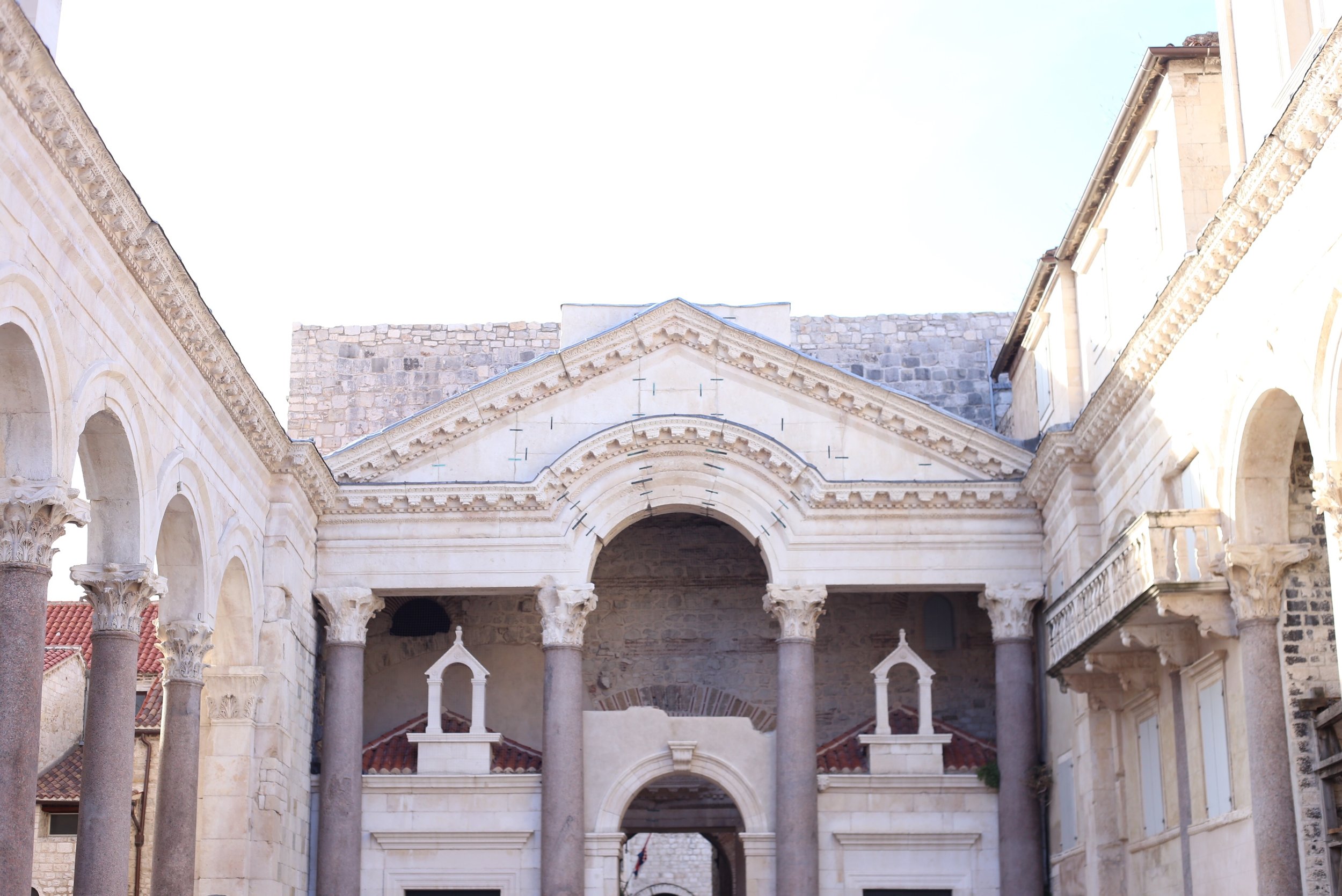
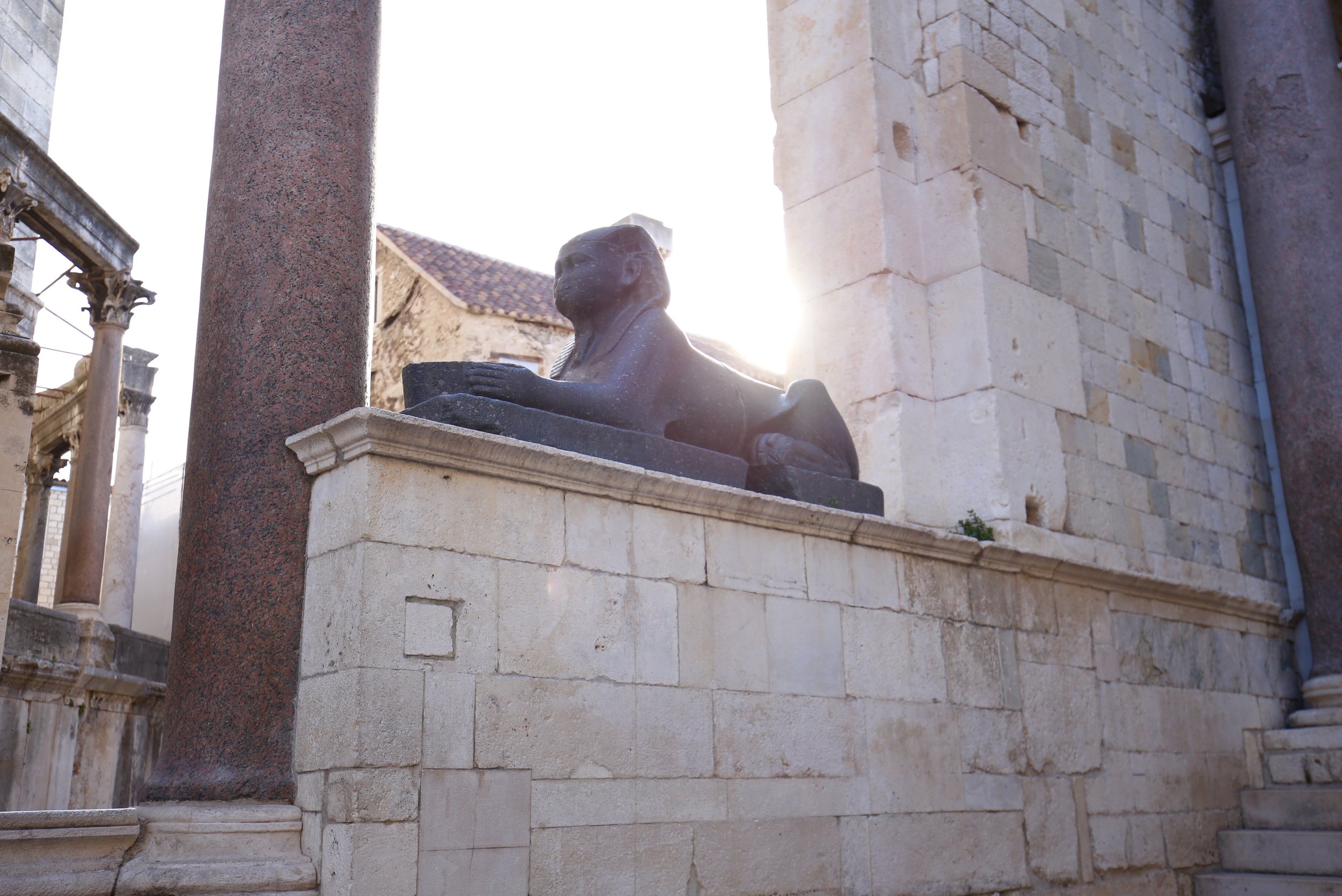
When the Abbot Suger of St Denis, (quoted above), referred to feeling 'transported' to higher realms, he felt it was the beauty of the cathedral within which he meditated, that lifted his thoughts to a space between Heaven and Earth. Many of us will have felt the same effect, upon entering a sacred space: the feeling of calm coming over us, allows us to enter our bodies, to go deep within our minds, and to transcend our everyday worries. The very nature of a temple, cathedral, or sacred space lends itself to this effect - by enclosing a space away from the bustle of a city, away from the domestic tasks of life, the temple is separated from our 'daily' interactions. We see this, too, in the list of traditional acts performed within a temple space:
- rituals, prayer, confessions, absolution, purifications...
- memorials...
- banquets, celebrations, processions...
- healing...
- supplication, prayer, asking for divine aid...
- divination...
- the enacting of miracles...
Evidently, the temple provides a space in which all of time may exist at once: thus, the future that we pray for, and try to scry out from the shadows; the present moment that we celebrate, or mourn; and the past, which we confess to, seeking to be absolved of; all of these may exist or be accessed in the one sacred space. At the same time, a temple is a space out of time altogether. For instance, those temple goers wishing to heal themselves may remove themselves from the daily grind, "taking time out" to bring their bodies into a slower state called rest.
The liminal feeling of a temple - that notion that the inner sanctum is removed from normal space and time, while also containing the whole of it, makes it the perfect vessel for meditation, reflection, divination and manifestation. For, when the mind finds a space of quiet, beyond the rigours of daily life, and a wider perspective of existence is perceived, it becomes easier for the temple-goer to perform these tasks. It is also in that pocket of Space-Time that one may come into contact with deity: the immortal, the transpersonal, that which is more than ourselves.
Temples are a space containing all of time, and no time at all. We shall see that the same may be said of all of nature.
...
And what of the divine nature of temples?
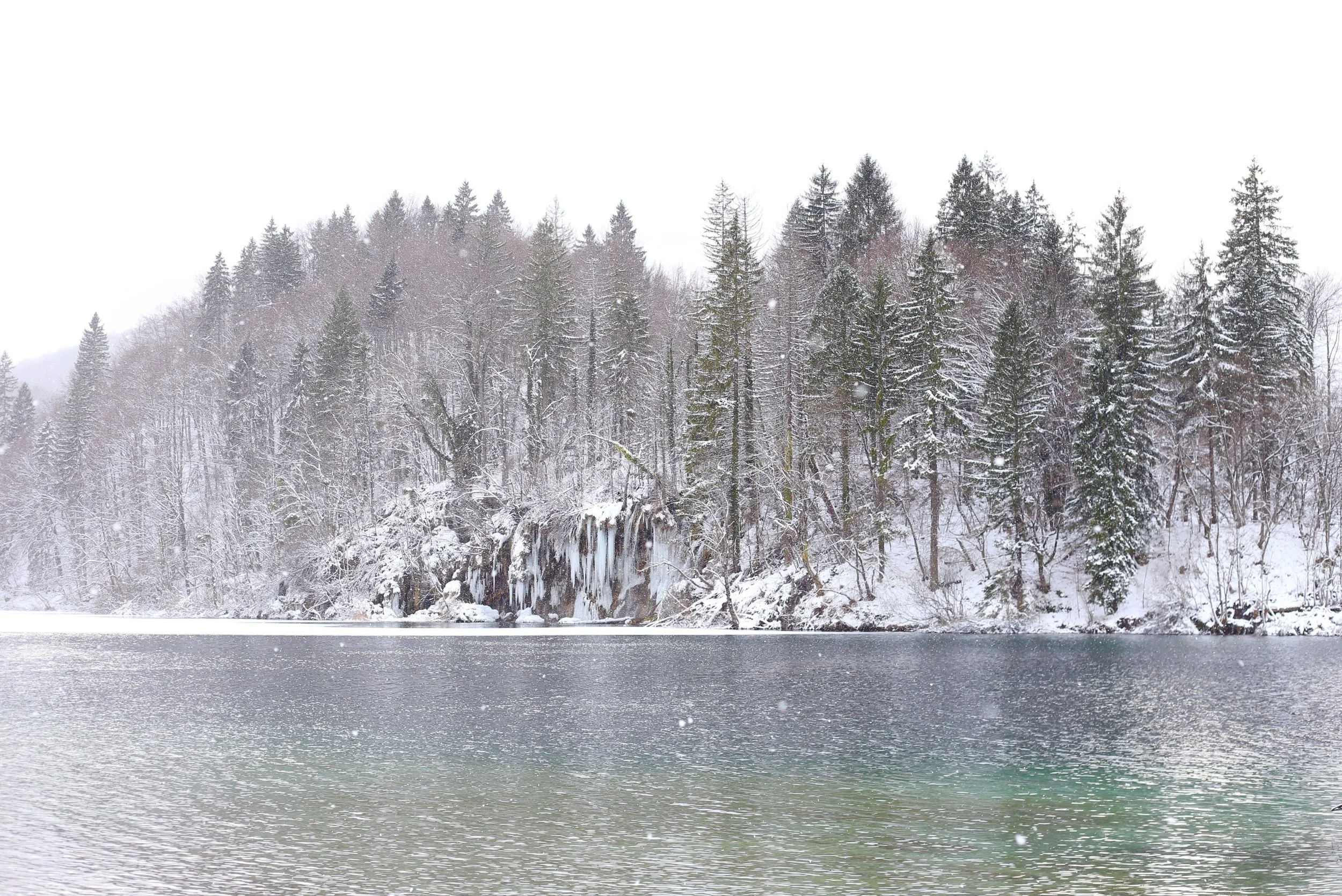
The word temple, as outlined above, has its roots in nature. Digging down, through the rich soil of history, we can see many offshoots - those words that are in some way related to the word "temple;" conceptions of time, seasons, spaces set aside for kings... Digging further, we find that the word temple would once have been used to describe an open, consecrated space: a space that was set apart in the collective consciousness as being divine. Therefore, a temple need not be an architectural space set out by four walls, but could also include open, natural spaces without physical boundaries.
In fact, when we peer back into the depths of time, the first indications of sacred space were very much a part of the wider world. For example, a healing spring would have been adorned with flowers, just as an altar would be dressed lovingly today. A sacred hilltop may have been crowned with a stone structure, or a mound. In far off times, all the world was held sacred, all was the residence of the divine - the forest groves home to spirits, the mountains the abodes of the Gods, and the sea too.