THE SOUND OF MUSIC

The House from the Sound of Music, in Salzburg

DÉJÀ VU

A threadbare carpet, the warp and weft touching my knees where I sat, cross-legged. A television flickering - one of those with the bulbous screens and the small dials which remind one of a toaster oven. The trilling sounds of Julie Andrews, singing about confidence, and the smell of marmite, spread thin with butter over a rice thin. These are memories that come to me when I think of my childhood. 

Another memory: me, sat beside my brother in a small van that seemed as if it was made of tin, the seat-belt too large. I always tucked the seatbelt under my arm, you see. And I was talking...no, wait, I was singing. After telling my brother that I could sing any song in reverse, I proceeded to belt out 'Do Re Mi.' Or more precisely: 'Do Ti La'. 


It went a little something like this:

Do Ti La So Fa Me Re Do


I cannot count the number of times I have watched the Sound of Music. Before I could ever understand the complexities of politics, or of a love the bridges societal classes, I knew all the words to each and every song of that movie. The world of Julie Andrews seemed far away - merging with my memories of Switzerland and Austria from a visit at age six. It was not until I visited Salzburg, many years after, that the reality sunk in: the reality that once upon a time Julie Andrews really did skip down that lane singing about confidence; and that a family really was forced to escape their own country, weaving their way through the high alps. 

On top of this, I encountered an eery feeling while walking through Salzburg. It felt a little too familiar at times, as if I had lived there before - had passed by that fountain a hundred times, and nodded hello to the equestrian statue, and had biked round the lapping edge of the lake. It was a strange sense of déjà vu to stand inside a small church where I have never stood, but to recognise the iron filigree of the gates that opened on the outside world.

Place where Maria looks over Salzburg in the Sound of Music.
The lane where Maria sings about confidence!
The gazebo from Sound of Music's 'Sixteen Going on Seventeen'.
The lake where the children fall in, the Sound of Music.
The Do Re Mi garden from the Sound of Music, in Salzburg.
Fountain from the Sound of Music.
I go to the hills when I am lonely
I know I will hear what I’ve heard before
My heart will be blessed with the sound of music
And I’ll sing once more
— MARIA - THE HILLS ARE ALIVE

DAS ESSEN

Platter of fresh Austrian produce - cheese, meat, sausage, eggs and butter.

HEADY MEMORIES

We ate like Hobbits in Austria - missing no opportunity for a meal or a snack. 


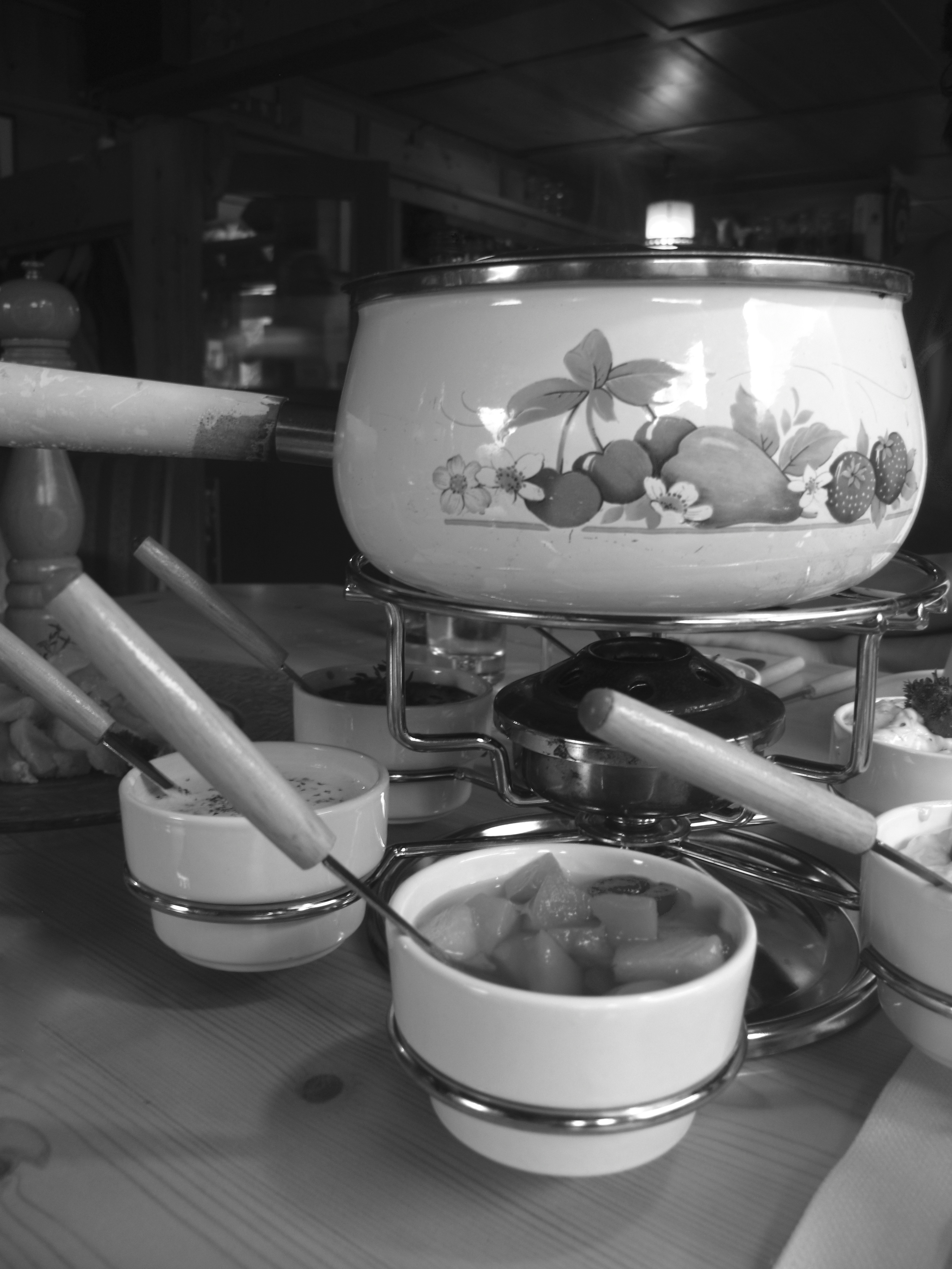
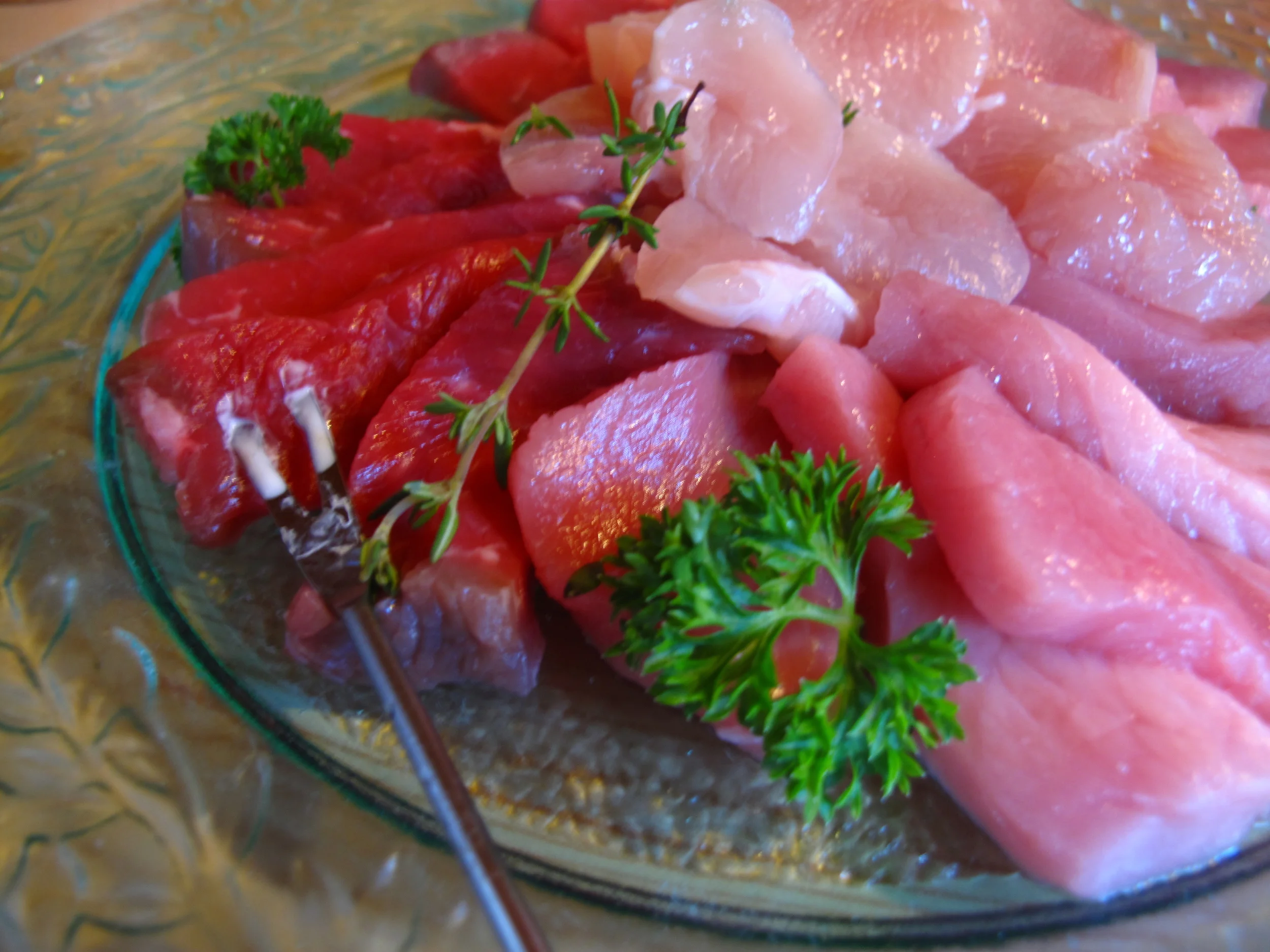
Austrian fondue with boiling broth, meats and dips.
Fondue dip garnished with raspberries
Austrian fondue - broth with raw meat for dipping
Fondue dip garnished with raspberries.
Frittatensuppe - pancake soup in Austria.
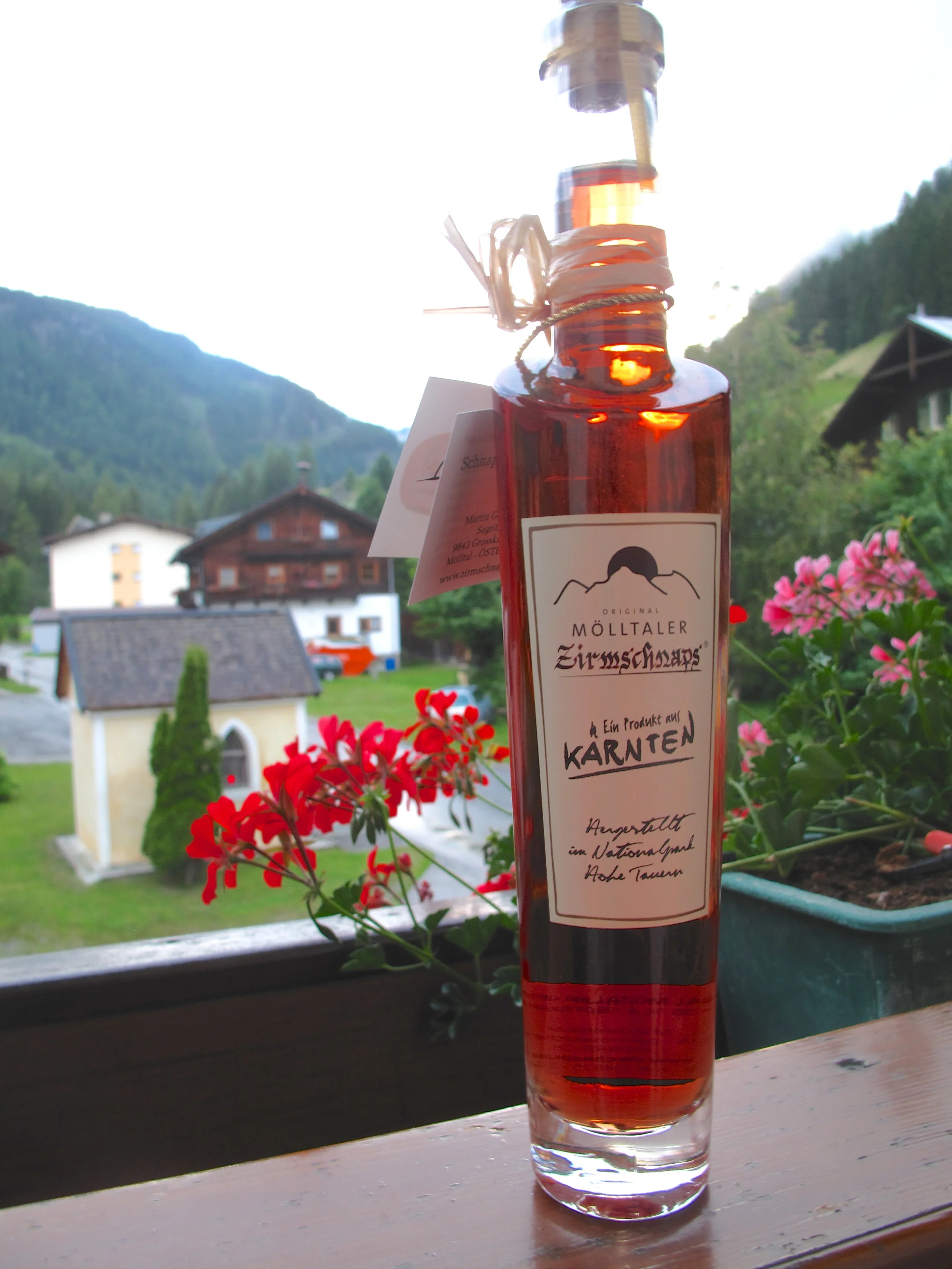
Austrian schnapps made from mountain berries.
Austrian hotel with window boxes full of red flowers.
Spaetzle - cheesy dumplings cooked in a pan.

THREE GREAT EATERIES:


1. AUGUSTINER BRÄU-STUBL | SALZBURG

A 600 year-old brewery, where the beer brewed is by monks, then poured into a giant ceramic mug by the pint, and slid across the bench to you, spilling the foam all over the place. An indoors market of-sorts, where you are served meat, dumplings and sauerkraut. And a beautiful garden, where you can enjoy your meal, then stay for seconds and thirds, and ever more conversation.

2. MUNDING | INNSBRUCK


The best apple strudel I have ever tasted. Probably the best I ever will. 

3. ZOLLWIRT | ST. JAKOB IN DEFEREGGEN

Recommended to us by a friend of my mother's, this restaurant is situated in a teeny-tiny village between the Alps. Patronised by all the locals, run by waitresses wearing traditional dresses without a touch of irony, and with a menu full of Tyrolean specialties written out in German and Italian, this place was the most authentic eatery of our entire trip. On top of that, the food was amazing.


Augustiner Beer Garden, Salzburg.
Inside the monastery of the Augustiner Beer Garden, Salzburg.
Beer and good food at the Augustiner Bräu Hall in Salzburg.
Typical Austrian pub fare - sausages, sauerkraut, meat, dumplings and mustard at a Beer Garden
Augustiner Bräu Hall Salzburg - beer mugs at the monastery.
Kaiserschmarrn - a dish of cut up pancakes, icing sugar and raisins.
The best apple strudel in the world - from Munding in Innsbruck.

ALMWIRTSCHAFT

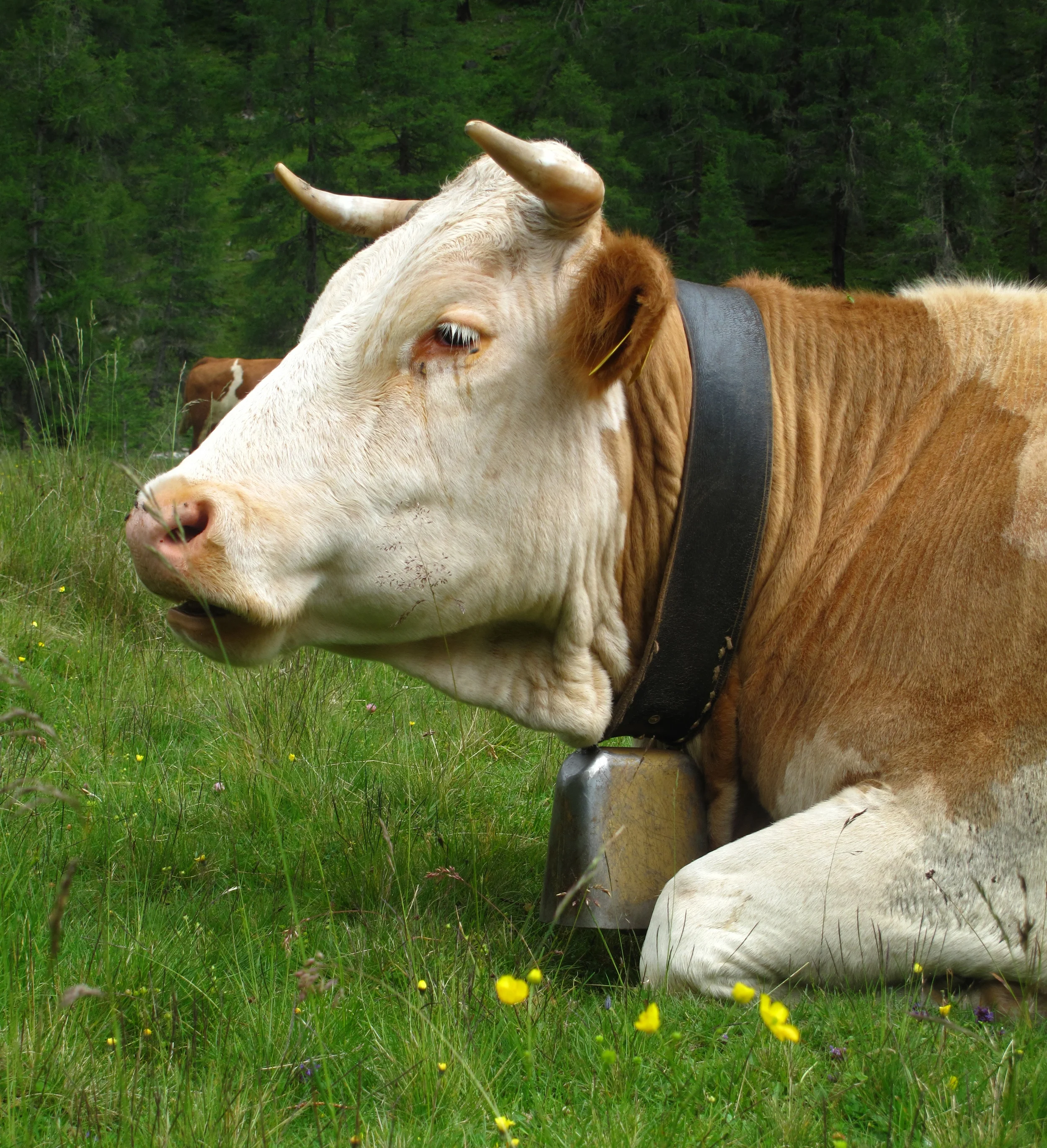
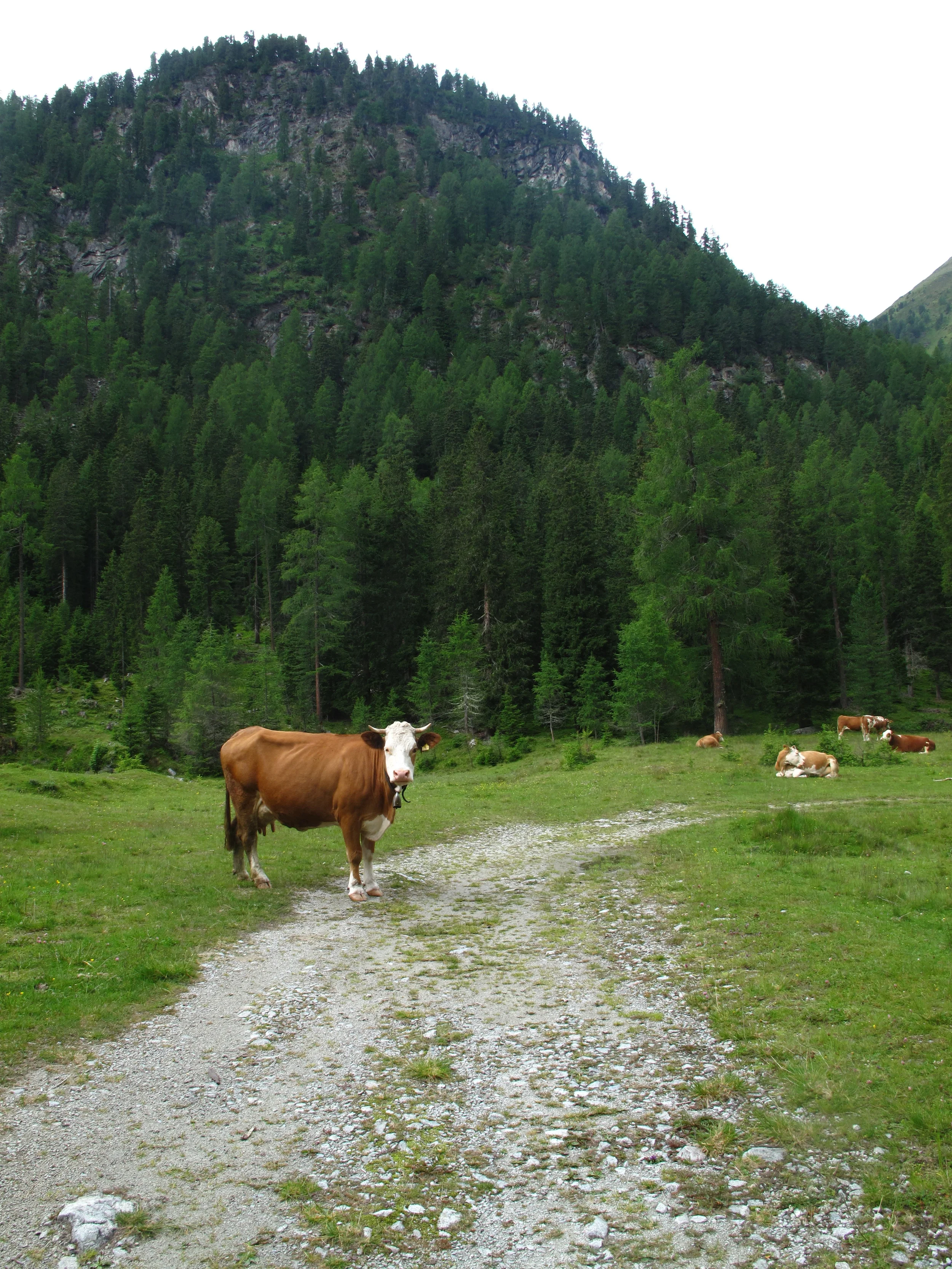
Austrian jersey cows with brown hides and cow bells roaming free in the mountains.

ALPINE TRANSHUMANCE

& THE WHEEL OF THE YEAR


PASTORALISM

The farming of animals on one settled piece of land.

TRANSHUMANCE

The seasonal movement of animals and people.

NOMADISM

The constant movement of animals and people.


Since time immemorial, animals have responded to the seasons of the Earth. Geese, elephants, bears, salmon, and cicadas - all navigate their lives according to the changing cycles of weather.

People too, can align with the Earth by moving with the seasons. For hundreds of thousands of years before the Neolithic revolution, people were on the move - following the migratory patterns of animals. Even after the domestication of the cow, the horse, the sheep, and the grass, the nomadic peoples of the world still move in these patterns. 

In the Alps of Austria, there is another kind of movement, one much more grounded than traditional nomadic mobility, and yet still in tune with the wheel of the year - called Almwirtschaft.

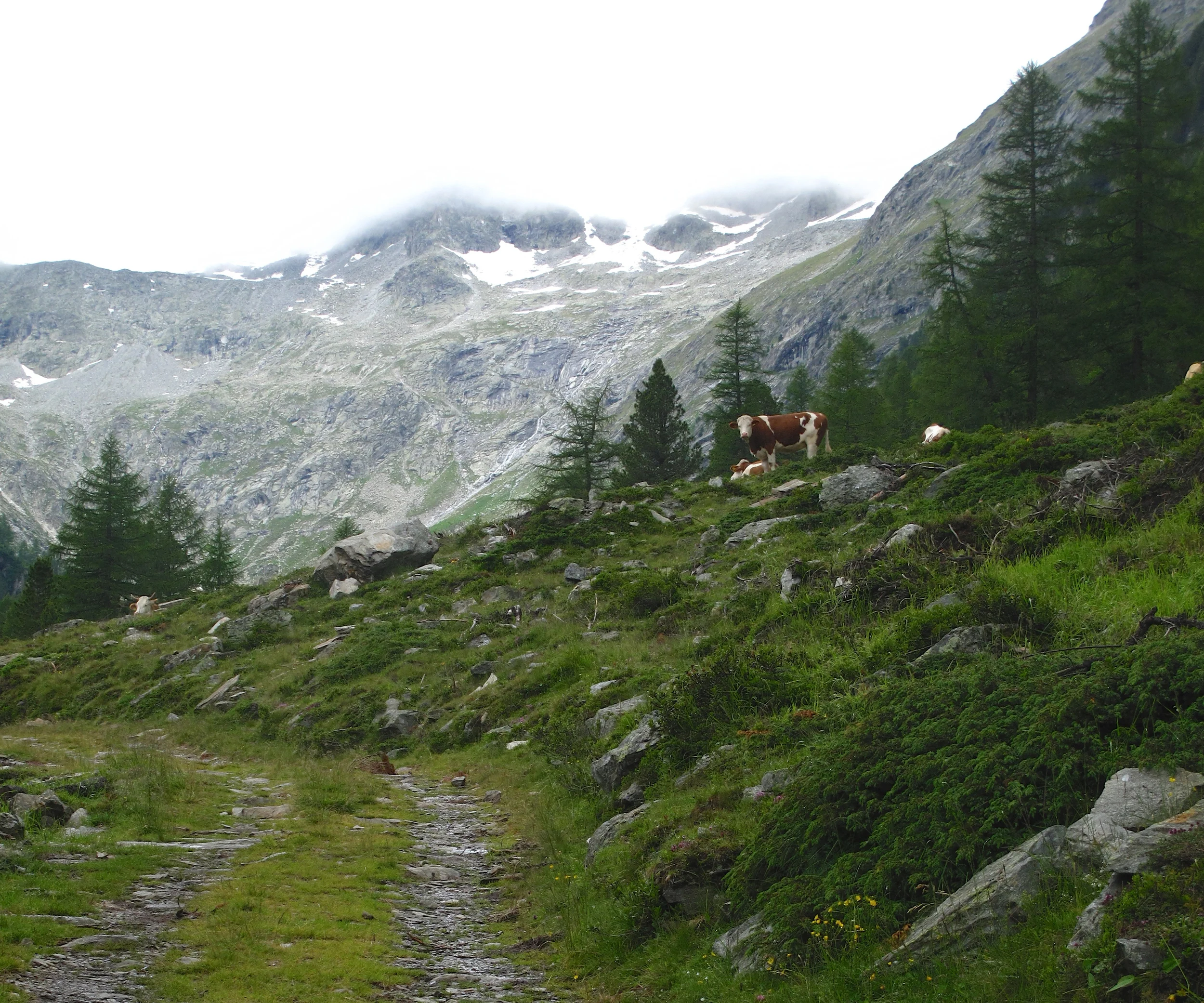
There, in the summer of the mountains, the cattle roam freely between the higher pastures, under the watch of a herdsman who lives in a small mountain hut. Then, in the winter, herdsman and cattle return to the valley and the village, where the cows are stabled and are fed the hay that was reaped during the short summer season. In spring, they are led out again, to the fields and middle pastures, where they may fertilize the lands soon to be cultivated again. Come summer, it is back to the high pastures. It is a closed-loop system, one that originated from necessity during times of self-sufficiency. The peoples of the Alps rely on this mix of agriculture and husbandry, and the movement of the cattle allows them to focus on their crops during the summer months, letting the cows graze on uncultivated lands while they labour in the fields. It also keeps their cattle healthy, with alpine-pasture cattle fetching higher prices at market. And so it has been, since the late Neolithic, in the higher reaches of the Austrian Alps.

There is more, though, to Almwirtschaft, than the simple functionality and economic benefits of the system. The small movement of cows and people up and down the mountains encourages a deeper relationship between all three: people, animals, and the earth underfoot. The relations between people and animals is strengthened through their mutual reliance - people requiring animals for milk, fertilizer, hides and meat, and the animals being watched over and cared for by their shepherd.

The relationship between peoples is strengthened too, as there are many festivities associated with Almwirtschaft. There are joyous celebrations at the coming of spring, what with the many opportunities to be hired that summer to work in the fields, and then more celebrations upon the safe return of the cows by the herdsmen - a thanksgiving of sorts. At these times, the cows are bedecked in ribbons, and their horns are woven about with wildflowers. John G. Evans even postulates that these ancient festivals would have provided the necessary social bonding required between the villagers for the cooperative forms of work during the summer months. 

And finally, the seasonal movement of animals and people strengthens the bonds between these beings and the earth - realigning their thoughts and actions to the wheel of the year and to the minute whisperings of the lands about them. The cows know, just as the humans do, when it is time to return to the valley. 

Overall, Almwirtschaft is a grounding force in the lives of those who practice it.


Wooden huts in the Austrian mountains

The quiet transition from autumn to winter is not a bad time at all. It’s a time for protecting and securing things and for making sure you’ve got in as many supplies as you can. It’s nice to gather together everything you possess as close to you as possible, to store up your warmth and your thoughts and burrow yourself into a deep hole inside, a core of safety where you can defend what is important and precious and your very own. Then the cold and the storms and the darkness can do their worst. They can grope their way up the walls looking for a way in, but they won’t find one, everything is shut, and you sit inside, laughing in your warmth and solitude, for you have had foresight.
— TOVE JANSSON - MOOMINVALLEY IN NOVEMBER

Cows roaming free in the mountains of Tyrol, Austria.
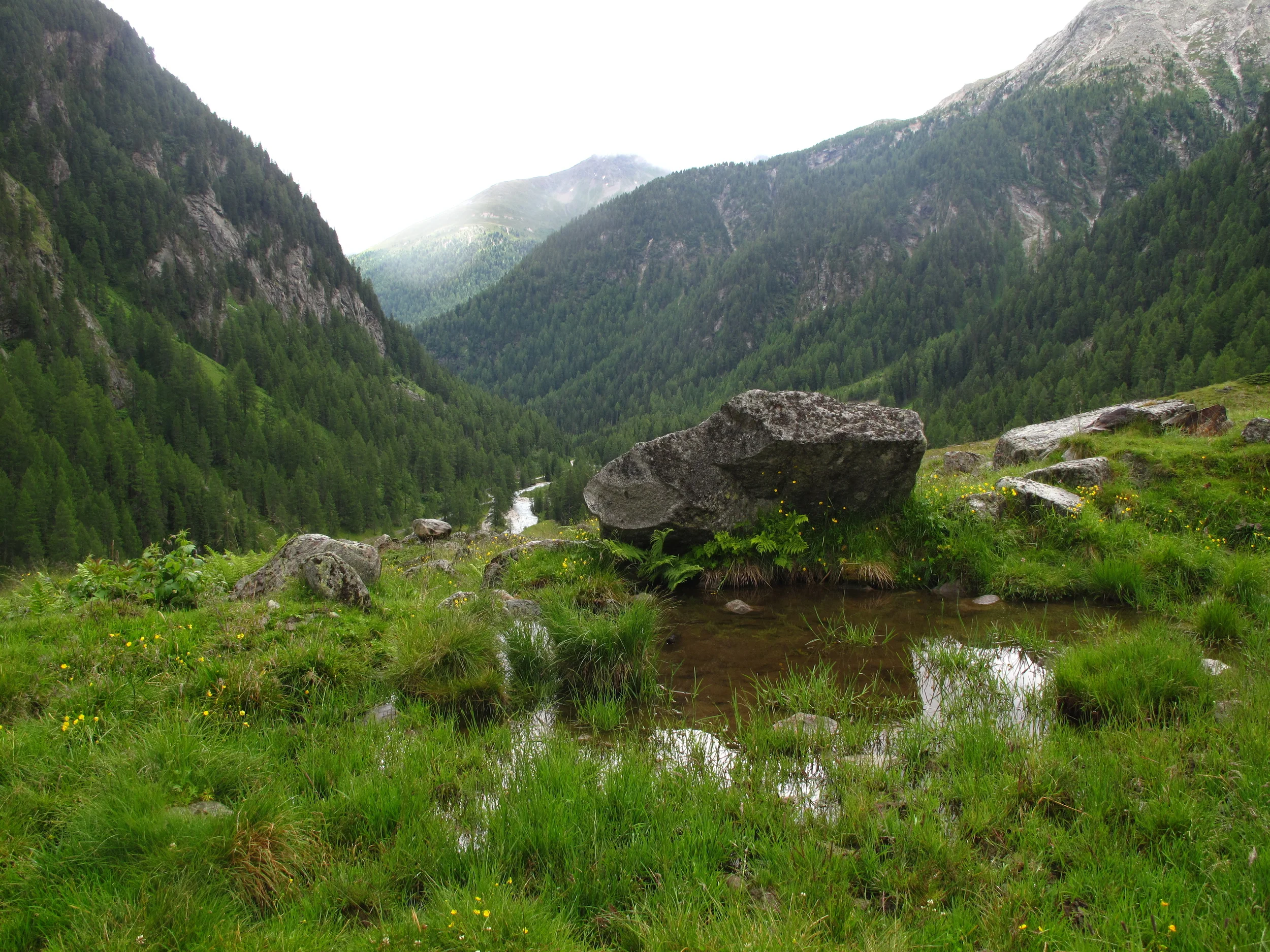
A tiny pond high up in the Austrian mountains.
Cows on the hiking track in the mountains of Tyrol, Austria.

FURTHER READING:

Evans, John G. Environmental Archaeology and the Social Order. 2004.

Pens, Hugo. 'The Importance, Status and Structure of Almwirtschaft in the Alps,' in Human Impact on Mountains. ed. Nigel J. Allan et al. 1993.